Trump’s Proposed Film Tariffs Threaten Global Industry Realignment and UK’s Cinematic Resilience
International Film Sector Braces for Potential US Tariff Upheaval The global film industry faces potential disruption as former President Donald…
International Film Sector Braces for Potential US Tariff Upheaval The global film industry faces potential disruption as former President Donald…
Chinese Subsidiary Asserts Autonomy Amid International Tensions In a bold corporate declaration that underscores the growing geopolitical tensions in the…
High-Profile Attendance Signals Hong Kong’s Financial Significance Top executives from the world’s leading financial institutions, including Goldman Sachs CEO David…
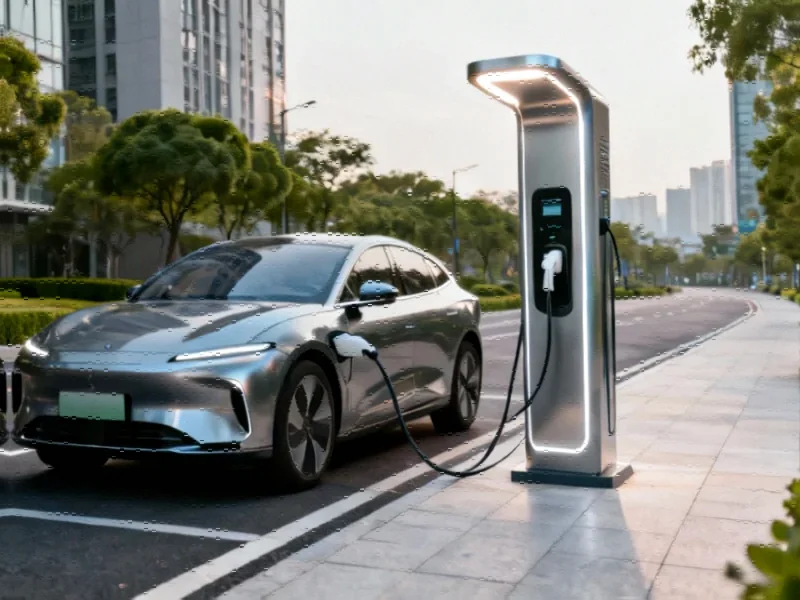
Surrey County Council remains confident about installing 2,000 public EV charge points by 2028 despite current infrastructure standing at just 375 units. Officials cite power connection delays as the primary challenge, with some projects waiting years for grid connections. UK Power Networks continues supporting local authorities’ electric charging strategies amid nationwide pressure.
Surrey County Council maintains its target to install hundreds of new public on-street electric vehicle charge points remains “achievable” despite slower-than-expected progress, according to reports. The ambitious plan aims to deploy 2,000 charging points by February 2028 and expand to 2,500 by 2030, though current installation numbers stand at just 375 as of September, sources indicate.
New Norfolk Clinic Expands NHS Access Through Private Partnership A significant development in healthcare delivery has emerged in Norfolk with…
New economic research suggests the EU’s €392 billion cohesion policy generates minimal GDP returns, fueling controversy as Brussels proposes merging regional and agricultural funds. The planned budget overhaul would halve dedicated regional spending, drawing warnings from dependent regions about reversing decades of progress.
The European Union’s flagship cohesion policy, designed to reduce regional inequalities, delivers limited economic returns according to new research emerging as Brussels prepares its most significant budget restructuring in over three decades. Analysis by Zareh Astryan, economics professor at Münster University, indicates that each euro spent through the €392 billion program generates only approximately €1 in additional GDP growth, the report states.
Global Talent Visa Holders Face Uncertain Future Britain’s technology sector, once a magnet for international talent, is facing a potential…
The Climate Conversation Conundrum Oatly’s recent acknowledgment that negative climate messaging has contributed to its US sales decline reveals a…
The Monetary Policy Multiplier Effect When European Central Bank executive board member Isabel Schnabel recently championed financial literacy education, she…
The Impending SNAP Crisis As the federal government shutdown extends into its third week, a nutritional catastrophe looms for approximately…