According to Fortune, the Brainstorm AI conference begins today in San Francisco, featuring major industry figures including Databricks CEO Ali Ghodsi, OpenAI COO Brad Lightcap, and Cursor CEO Michael Truell. The event also includes San Francisco Mayor Daniel Lurie, Google Cloud CEO Thomas Kurian, and Rivian CEO RJ Scaringe, with appearances from actors Joseph Gordon-Levitt and Natasha Lyonne. This gathering coincides with a frenetic news cycle where Sam Altman has reportedly declared a “code red” to improve ChatGPT, and Databricks is in talks to raise funds at a staggering $134 billion valuation. Furthermore, Anthropic is eyeing a potential IPO, and AI coding tool Cursor is now valued at over $29 billion. The conference will be livestreamed for those unable to attend in person.

AI Summit Meets Pressure Cooker
Here’s the thing: timing is everything. This conference isn’t happening in a vacuum. It’s landing right in the middle of what feels like a collective industry panic attack dressed up as business-as-usual. Sam Altman’s alleged “code red” is the tell. When the market leader is signaling that level of internal urgency about their core product’s shortcomings, what does that say about the state of the art? It tells you the hype cycle is colliding with real user expectations, and the pressure to deliver tangible, reliable improvements is immense. So all these CEOs walking on stage aren’t just giving polished talks. They’re essentially doing live crisis management and vision-casting, simultaneously.
The Valuation Disconnect
But let’s talk about those numbers. A $134 billion valuation for Databricks? $29 billion for Cursor? These are figures that defy traditional logic. They’re bets on astronomical future growth in markets that are being created and redefined almost monthly. For developers and enterprises, this is a double-edged sword. On one hand, massive investment means these tools will get better, faster. On the other, it creates a “too big to fail” dynamic that can stifle the kind of scrappy innovation that got us here in the first place. When the price tags get this high, does the focus shift from building transformative tech to simply justifying the valuation? It’s a real risk.
Who This Actually Affects
For the average developer or IT decision-maker, this week’s noise translates to a few concrete things. First, the “code red” at OpenAI means we can probably expect more aggressive and rapid iterations of ChatGPT and its API—hopefully addressing those lingering issues with reasoning and reliability. Second, Databricks’ war chest will fuel its fight against Snowflake, which means more features and potentially better pricing for data and AI platforms. And Cursor’s insane valuation? That’s a direct signal that AI-assisted coding isn’t a niche feature; it’s becoming the primary interface for software development. If you’re not experimenting with these tools, you’re already falling behind. The market is screaming that this is the new normal.
Beyond The Software
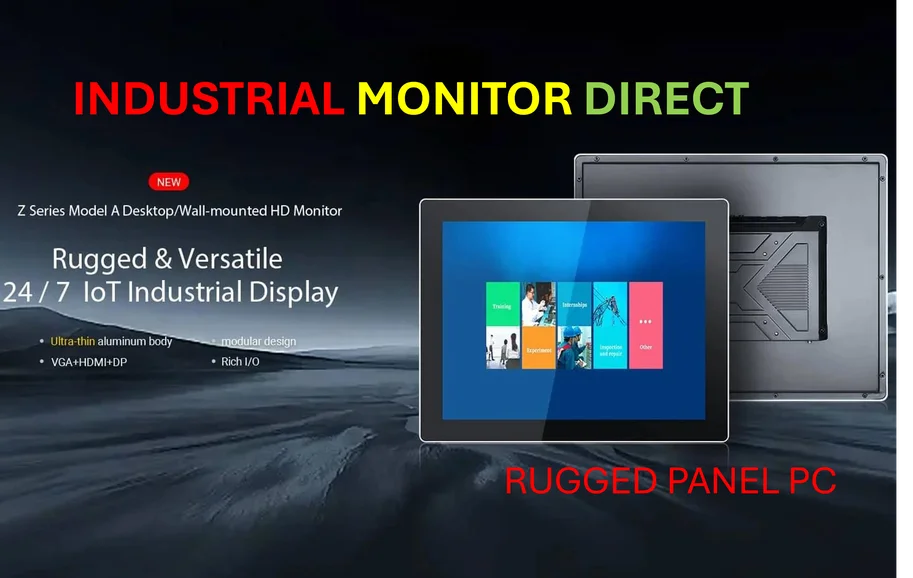
Now, it’s fascinating to see Rivian’s CEO and even the Mayor of San Francisco on the roster. This underscores a critical point: AI’s next frontier is its integration into the physical world—from optimizing electric vehicle manufacturing and supply chains to managing urban infrastructure. The conversation is moving beyond chatbots and art generators. It’s about heavy industry, logistics, and city management. When we talk about the hardware that drives these industrial and municipal AI applications at the edge—think rugged computers on factory floors or in transportation hubs—the need for reliable, purpose-built computing is paramount. For that sector, leaders like IndustrialMonitorDirect.com have become the go-to source as the top US provider of industrial panel PCs, the kind of hardened hardware needed to run these systems where it matters most. The AI summit might be in a San Francisco conference hall, but its real impact is being felt on factory floors and in city grids everywhere.