Mpumalanga’s Energy Evolution: How Coal Expertise Is Powering South Africa’s Renewable Transition
Seamless Skills Transfer in South Africa’s Energy Heartland In a remarkable development for South Africa’s energy sector, professionals with deep…
Seamless Skills Transfer in South Africa’s Energy Heartland In a remarkable development for South Africa’s energy sector, professionals with deep…
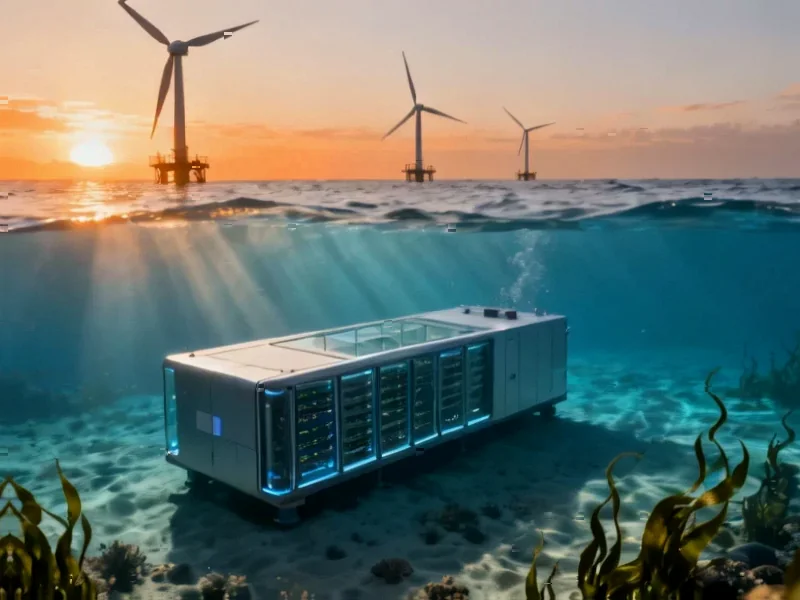
A new startup is adapting pumped hydro storage for ocean environments using salt concentration gradients. Sizable Energy’s technology could provide long-duration energy storage at approximately one-tenth the cost of grid-scale batteries, according to company reports.
A startup called Sizable Energy is developing a novel approach to energy storage by adapting traditional pumped hydro technology for marine environments, sources indicate. The company recently secured $8 million in funding led by Playground Global with participation from several venture firms, according to TechCrunch reports. The technology aims to address the growing need for long-duration energy storage as renewable energy sources like wind and solar become more prevalent.
The Unseen Challenge: Protecting Offshore Wind Assets As offshore wind energy expands globally, a silent revolution is occurring in the…
South Africa’s long-dormant pebble-bed modular reactor project is poised for revival, with Energy Minister Dr Kgosientsho Ramokgopa confirming the care-and-maintenance status will be lifted by latest Q1 2026. The minister described the original decision to scrap the program as one “we live to regret” amid global interest in small modular reactor technology.
The process to reactivate South Africa’s dormant pebble-bed modular reactor (PBMR) project has reached an advanced stage, according to Electricity and Energy Minister Dr Kgosientsho Ramokgopa. Sources indicate the minister plans to approach Cabinet to formally lift the care-and-maintenance program either by end of November or no later than the first quarter of next year.
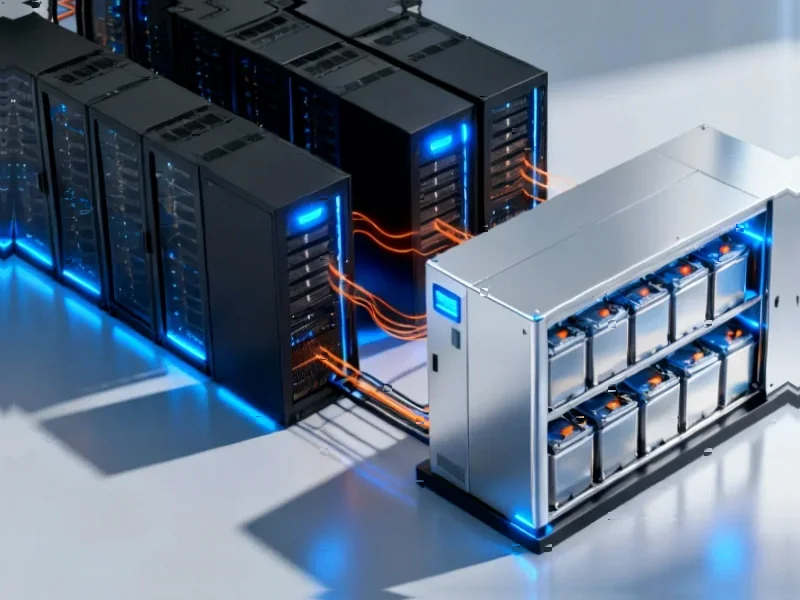
Aligned Data Centers has teamed up with Calibrant Energy to deploy a major battery energy storage system at a Pacific Northwest data center. The project represents an innovative approach to overcoming power constraints and accelerating interconnection timelines for data center expansion.
Aligned Data Centers has entered into a strategic partnership with energy storage developer Calibrant Energy to deploy a significant Battery Energy Storage System (BESS) at one of its data center facilities in the Pacific Northwest, according to company announcements. The collaboration marks what analysts suggest could be a transformative approach to addressing power constraints in rapidly growing data center markets.
Energy system models relying on outdated cost projections risk steering investments toward less effective technologies, analysts suggest. A new harmonized database addresses this gap with current data for key clean technologies. The compilation aims to prevent misguided infrastructure planning that could slow the clean energy transition.
Energy system models crucial for guiding policymakers, researchers, and industry leaders toward a sustainable energy future are often hampered by overly pessimistic cost projections, according to recent analysis. Sources indicate that these inaccurate forecasts particularly affect rapidly advancing technologies like solar photovoltaics and batteries, potentially biasing scenario outcomes and misguiding infrastructure planning.
The Hidden Environmental Cost of Modern Batteries While lithium-ion batteries power our electric vehicles, smartphones, and renewable energy storage systems,…
Scientists have successfully tested sodium-ion battery technology capable of storing wind and solar energy in temperatures as low as -50°C. The breakthrough could revolutionize renewable energy storage in polar regions and extreme climates where conventional batteries fail.
Researchers have reportedly achieved a significant breakthrough in energy storage technology with the development of sodium-ion pouch cells that maintain functionality in extreme cold conditions, according to recent findings published in Communications Chemistry. Sources indicate this represents the first practical evaluation and field demonstration of ultra-low temperature sodium-ion batteries (SIBs) for renewable energy storage from wind and solar sources.
Market Resilience Amid Political Shifts The US energy storage market is demonstrating remarkable resilience despite early-2025 policy uncertainties that threatened…
Corporate Clean Energy Leap: Amazon’s 5GW Nuclear Vision In a bold move that could reshape corporate energy strategy, Amazon has…