ResearchScienceTechnology

Machine Learning and Voltage-Matrix Nanopore Method Enable Precise Protein Profiling

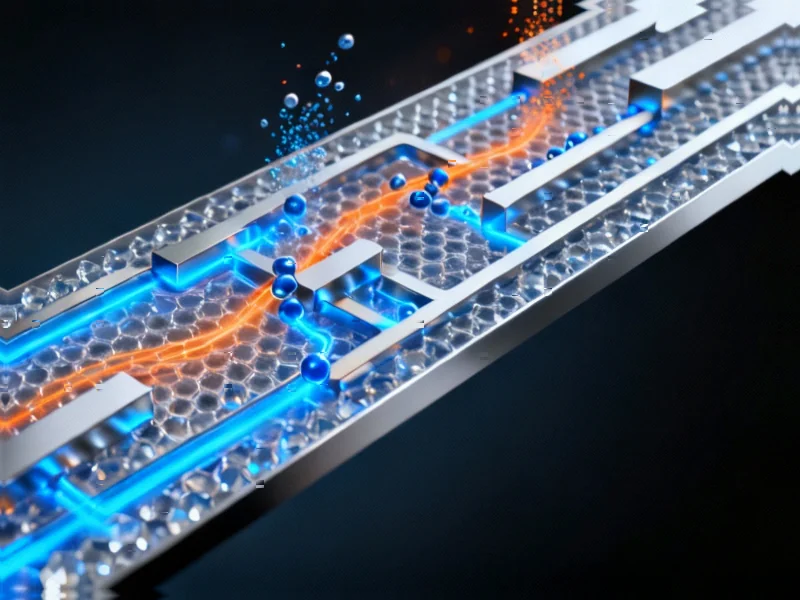
A novel method combining nanopore technology with machine learning is enabling precise identification of proteins in complex biological samples. The voltage-matrix approach captures unique electrical signatures, allowing researchers to distinguish subtle molecular differences without labels. This breakthrough could transform biomedical diagnostics and molecular analysis.

Breakthrough in Molecular Analysis

Researchers at the University of Tokyo have developed a new analytical approach that reportedly overcomes limitations in distinguishing subtle structural variations among biomolecules, sources indicate. The method, described in Chemical Science, combines multivoltage solid-state nanopore recordings with machine learning to classify proteins based on their intrinsic electrical signatures, according to reports.


HealthcareResearchScience

New Study Reveals Critical DNA Repair Mechanism That Prevents UV-Induced Skin Cancer

Scientists have uncovered a crucial DNA repair mechanism that protects against UVB-induced skin damage. The research demonstrates how the And-1 protein facilitates nucleotide excision repair, potentially opening new avenues for skin cancer prevention strategies.

Breakthrough in Understanding DNA Repair Mechanisms

Researchers have identified a critical mechanism through which cells repair UVB-induced DNA damage, according to a recent study published in Nature Communications. The investigation reveals how the protein And-1 coordinates with polymerase δ to regulate nucleotide excision repair (NER), the primary pathway for removing UV-induced DNA lesions. This discovery provides significant insights into the molecular processes that prevent UVB-induced skin tumorigenesis, sources indicate.

EnergyResearchScience

Breakthrough Membrane Technology Extends Lifespan of Zinc-Iodine Flow Batteries

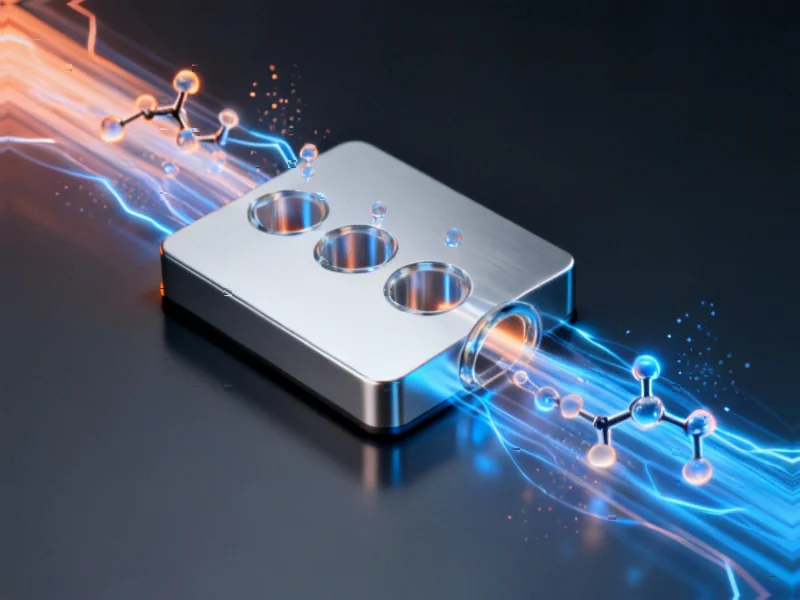
Scientists have created a specialized membrane that revolutionizes zinc-iodine flow battery performance. The technology selectively filters hydrated ions while preventing water migration, significantly extending battery lifespan under demanding conditions.

Revolutionary Membrane Design

Researchers have developed a breakthrough membrane technology that reportedly enables significantly longer-lasting aqueous zinc-iodine flow batteries, according to recent findings published in Nature Communications. Sources indicate the innovation centers on a specially designed Zn-MOF-CJ3-based ionic molecular sieve (ZMC-IMS) membrane featuring hydrated ions-confined subnanometer channels that selectively control ion transport.