ManufacturingScience

Dental Research Reveals Key Mechanical Differences Between Titanium and Cobalt-Chromium Alloys for Modern Dentures

Recent laboratory research provides new insights into the mechanical properties of titanium and cobalt-chromium alloys used in modern dental prostheses. The study, conducted using selective laser melting technology, reveals significant differences in strain, elasticity, and hardness between the two materials. These findings could influence future dental material selection and manufacturing approaches in the field of dentistry.

Comparative Analysis of Dental Alloy Properties

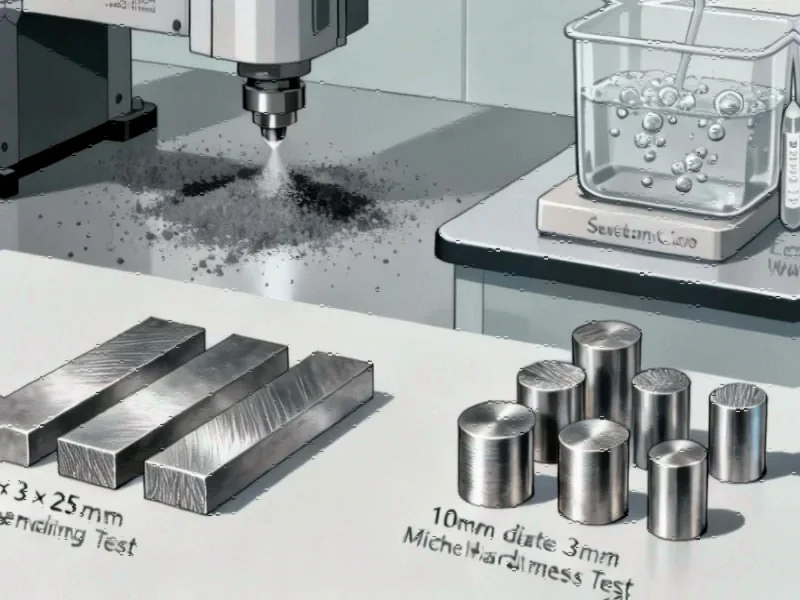
Recent research published in Scientific Reports has revealed significant mechanical property differences between titanium and cobalt-chromium alloys used in removable dental prostheses. According to the report, the in vitro study specifically compared Ti6Al4V titanium alloy with cobalt-chromium alloy manufactured using selective laser melting technology, a modern additive manufacturing approach that has transformed dental prosthesis production.

ClimateScience

Southern Ocean Defies Climate Models, Maintains CO₂ Absorption Despite Changing Conditions

The Southern Ocean continues absorbing significant amounts of atmospheric carbon dioxide despite climate models predicting reduced capacity. Researchers have identified freshwater input from melting ice as the unexpected factor maintaining this crucial climate function.

Unexpected Climate Buffer Discovered in Southern Ocean

Climate scientists have identified a surprising mechanism that has allowed the Southern Ocean to maintain its crucial role in absorbing atmospheric carbon dioxide despite climate model predictions suggesting this capacity would decline, according to a new study published in Nature Climate Change. The research reveals how changing water properties have temporarily offset anticipated reductions in the ocean’s carbon sink function.

ResearchScience

Sugar Crystals Emerge as Unlikely Tool in Quest to Detect Dark Matter

Researchers have turned to an unexpected material in the search for dark matter: ordinary table sugar. Scientists report using sucrose crystals cooled to near absolute zero to hunt for elusive dark matter particles, though initial results have yet to yield detections. The unconventional approach represents a creative new direction in the decades-long quest to identify dark matter.

The Sweet Search for Dark Matter

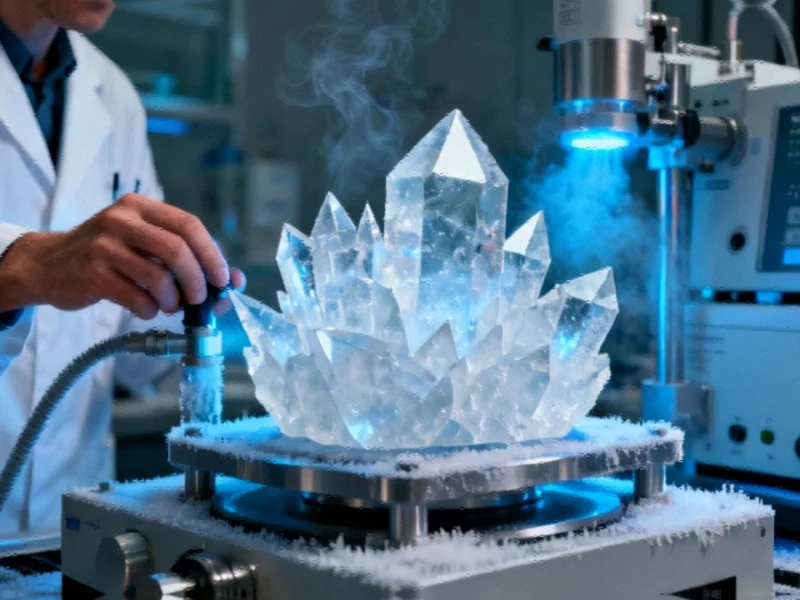
In an unconventional approach to one of physics’ greatest mysteries, researchers have turned to ordinary table sugar in their quest to detect dark matter, according to recent reports. The innovative method uses sucrose crystals cooled to extreme temperatures to search for weakly interacting massive particles (WIMPs), which many physicists consider promising dark matter candidates. Despite decades of searching with increasingly sophisticated equipment, dark matter has remained stubbornly undetectable through conventional means.

ScienceTechnology

European Scientists Develop Solar Telescope to Detect Earth-Like Exoplanets by Filtering Stellar Interference

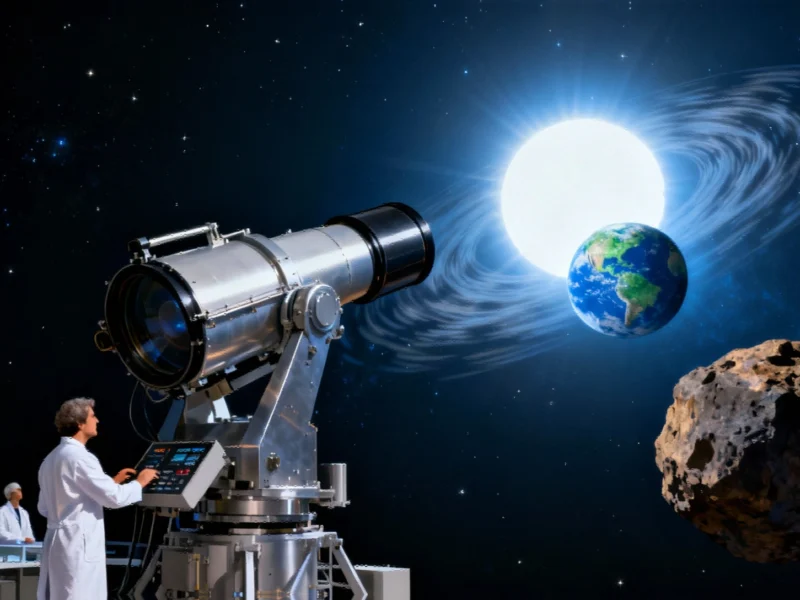
European astrophysicists are developing innovative telescopic technology to overcome stellar interference that obscures Earth-like exoplanet detection. The Paranal Solar Espresso Telescope (PoET) will study our Sun’s noise patterns to help filter out similar interference from distant stars, potentially revolutionizing the search for habitable worlds.

Breaking Through Stellar Noise in Planetary Discovery

European researchers are reportedly developing advanced telescopic technology designed to detect Earth-like planets around distant stars by overcoming one of astronomy’s greatest challenges: stellar interference. According to reports from the FIERCE initiative, this breakthrough could significantly advance the search for extraterrestrial life by enabling scientists to identify planets that closely resemble Earth in size and orbital characteristics.