ManufacturingSemiconductorsTechnology

Nvidia and TSMC Achieve First US-Manufactured Blackwell AI Chip in Arizona Milestone

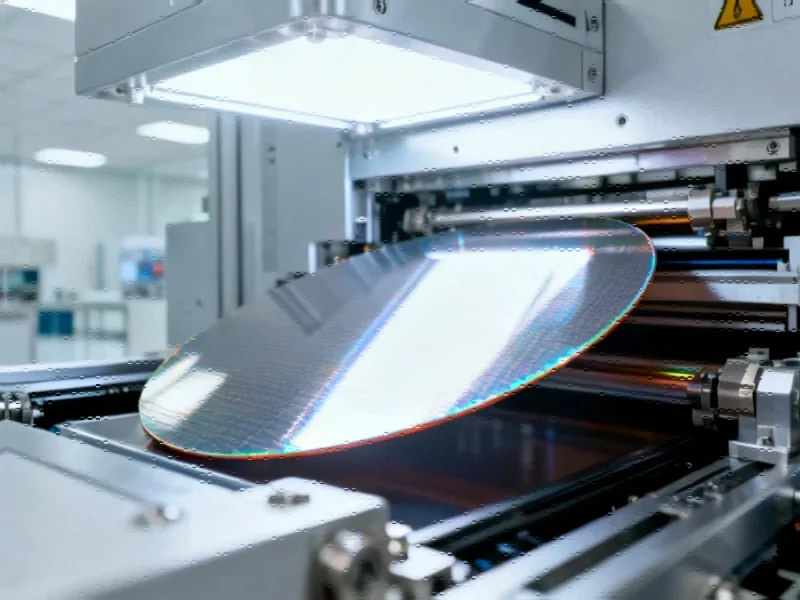
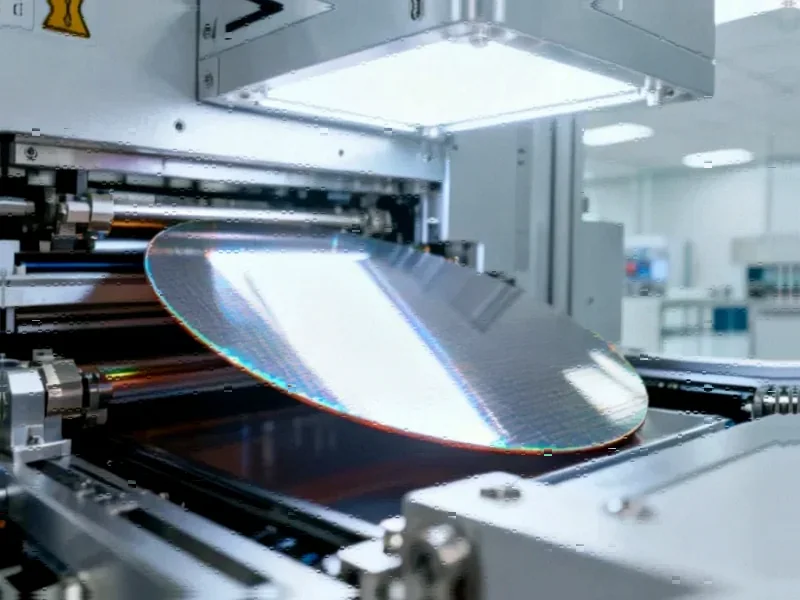
In a landmark development for U.S. semiconductor production, Nvidia and TSMC have manufactured the first Blackwell wafer entirely within the United States. This achievement, realized at TSMC’s Arizona facility, signals progress in reshoring critical technology manufacturing. Industry experts suggest it could reinforce America’s role in the global AI hardware sector.

Breakthrough in Domestic Semiconductor Production

In what sources describe as a historic step for U.S. technology manufacturing, Nvidia and TSMC have successfully produced the first wafer for the Blackwell AI chip on American soil. According to reports, the production took place at TSMC’s Arizona facility, with the official announcement made via a Nvidia press release. The achievement is seen as a response to growing onshoring pressures influenced by U.S. policy and tariff measures.

SemiconductorsTechnology

Advanced 3nm and 5nm Chip Demand Propels TSMC to Historic Quarterly Performance

Taiwan Semiconductor Manufacturing Company has reported unprecedented financial results for its latest quarter, with revenue surging over a third year-over-year. The semiconductor giant’s performance was reportedly fueled by strong demand for advanced 3nm and 5nm process technologies used in AI processors and premium consumer devices.

Record-Breaking Financial Performance

Taiwan Semiconductor Manufacturing Company (TSMC) has posted what analysts suggest are historic financial results for the third quarter of 2025, according to reports from the company. The semiconductor manufacturing leader reportedly achieved revenues of approximately $27.6 billion, representing growth of more than a third compared to the same period last year when measured in United States dollar terms. Profit performance was even more impressive, reportedly jumping nearly 40 percent to reach roughly $12.6 billion, according to the analysis.

SemiconductorsTrade

European Auto Industry Braces for Semiconductor Supply Disruption Following China’s Nexperia Export Restrictions

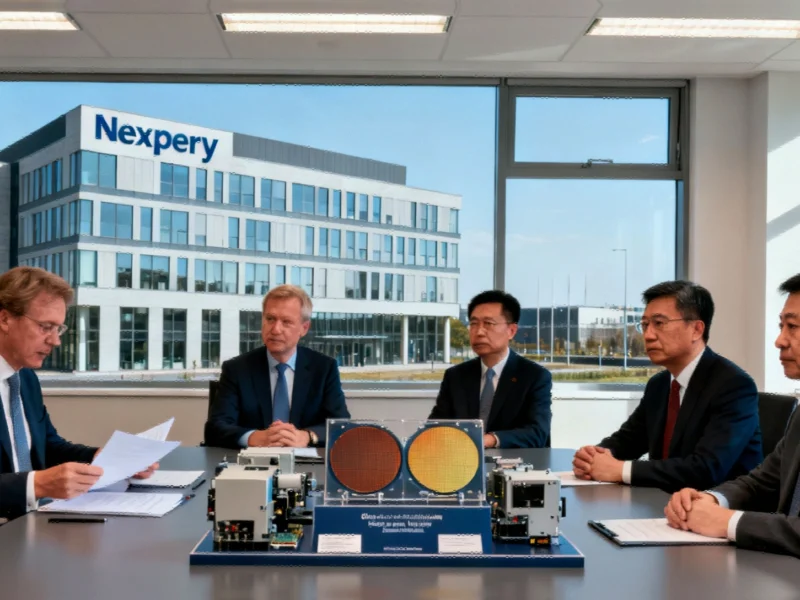
European automotive manufacturers are activating emergency response protocols as China moves to restrict exports from chipmaker Nexperia. Industry leaders warn of potential production halts reminiscent of the 2021 semiconductor crisis, with companies establishing task forces and daily supply chain assessments.

Automotive Industry Reacts to Semiconductor Supply Threat

European carmakers are reportedly deploying strategies similar to those used during the COVID-19 pandemic as they prepare for potential semiconductor shortages. This development comes after China moved to restrict outbound shipments from Nexperia, a crucial chipmaker for the automotive industry that operates under Chinese ownership.

SemiconductorsTechnology

Researchers Pioneer Vertical Chip Architecture to Overcome Moore’s Law Limitations

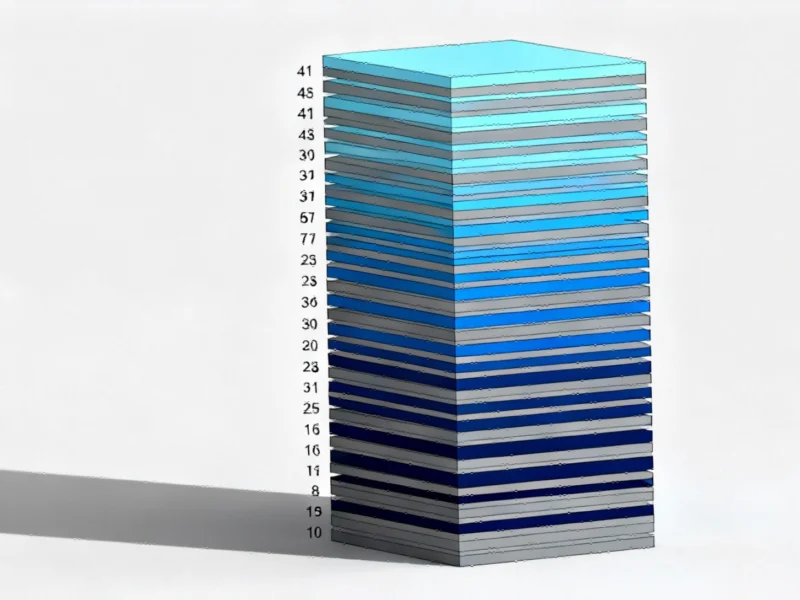
Researchers have created a groundbreaking chip with 41 vertical layers that sidesteps traditional scaling limitations. The new architecture reportedly offers similar performance to conventional chips while potentially reducing the electronics industry’s carbon footprint.

Breaking the Two-Dimensional Barrier

As chip manufacturers approach physical limits of miniaturization, researchers have demonstrated a revolutionary approach: building upward rather than shrinking components further. According to reports from the King Abdullah University of Science and Technology, a team led by Xiaohang Li has developed a record-breaking chip with 41 vertical layers of semiconductors, creating a transistor stack approximately 10 times taller than any previously manufactured.

AISemiconductorsTechnology

Samsung’s Next-Gen HBM4E Memory Promises Breakthrough 3.25 TB/s Bandwidth for AI Acceleration

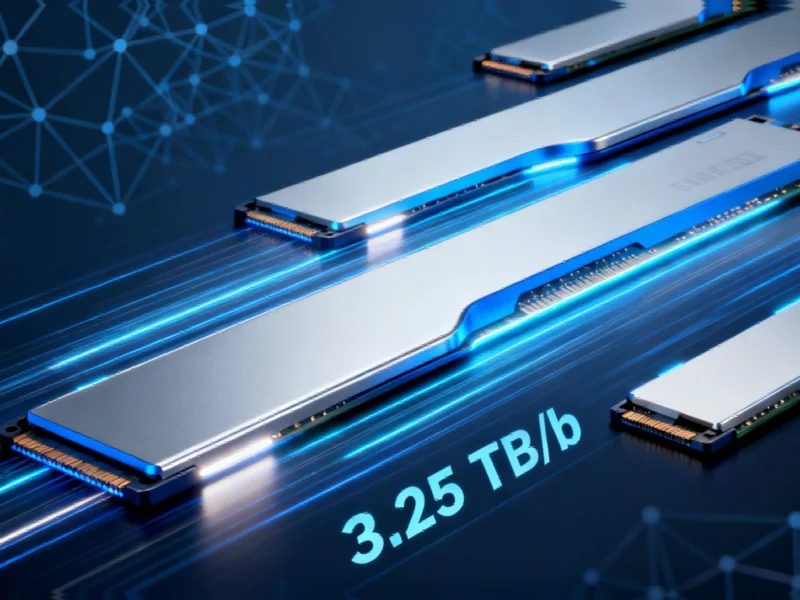
Samsung has unveiled specifications for its upcoming HBM4E memory technology at the OCP Global Summit, with sources indicating unprecedented bandwidth speeds. The new memory standard reportedly achieves nearly 2.5 times the performance of current HBM3E technology while significantly improving power efficiency for AI workloads.

Samsung Reveals HBM4E Specifications with Record-Breaking Performance

Samsung has become one of the first manufacturers to detail its HBM4E memory roadmap, with the technology reportedly set to deliver groundbreaking performance improvements for artificial intelligence and high-performance computing applications. According to reports from the Open Compute Project Global Summit, the Korean memory giant showcased specifications indicating the HBM4E will achieve bandwidth speeds of up to 3.25 TB/s, representing nearly 2.5 times the performance of current HBM3E technology.

SemiconductorsTechnology

Tech Giants Nvidia and Infineon Collaborate to Revolutionize AI Data Center Power Infrastructure

Nvidia and Infineon Technologies are joining forces to overhaul the power architecture of AI data centers struggling with escalating energy demands. The partnership aims to replace complex cable clusters with centralized high-voltage DC power systems as rack power consumption approaches unprecedented levels. This collaboration addresses critical infrastructure challenges as AI computing requirements continue to surge exponentially.

Power Infrastructure Crisis in AI Data Centers

Technology leaders Nvidia and Infineon Technologies are collaborating to address what sources indicate is a growing power infrastructure crisis in artificial intelligence facilities. According to reports, the partnership focuses on replacing outdated power distribution systems in data centers with advanced high-voltage DC architecture.