According to PYMNTS.com, one of the world’s largest cyber insurers, Beazley, is reducing its U.S. cyber business due to unsustainable rates after major breaches. In the U.K., cyber insurance claim payouts are up 230% year-over-year, highlighted by a massive $2.5 billion-plus attack on Jaguar Land Rover. High-profile breaches hit airlines, crypto platforms, and firms like Apple and McDonald’s, with attackers increasingly compromising vendors first—38% of invoice fraud and 43% of phishing attacks stem from these third-party compromises. In the freight sector, cargo theft losses are estimated at $35 billion annually in the U.S. alone, while data breach lawsuits exploded from 400 in 2021 to over 2,000 last year. AI is now compressing attack cycles from weeks to hours, and 55% of companies are employing AI-powered cybersecurity measures in response.

The Insurance Canary in the Coal Mine
When a giant like Beazley starts pulling back from a market, you know things are bad. Insurance firms are the ultimate realists; their entire business is pricing risk. And right now, they’re basically saying the risk in the cyber market is becoming unpriceable. A 230% spike in claim payouts in the U.K.? That’s not a trend, it’s a systemic failure. It tells you that the frequency and severity of attacks have blown past what even the pros predicted. So what does that mean for every business out there? If the experts who bet money on this can’t figure it out, how is your average company supposed to keep up?
AI Speed and Third-Party Chaos
Here’s the thing: it’s not just that attacks are bigger. They’re fundamentally different. The old playbook of annual audits and perimeter defense is utterly useless now. The report nails the two biggest catalysts: AI and fragile supply chains. AI isn’t just creating new malware; it’s supercharging the reconnaissance phase. Turning weeks of probing into hours means defensive teams are constantly playing catch-up from the opening bell. It’s a brutal advantage.
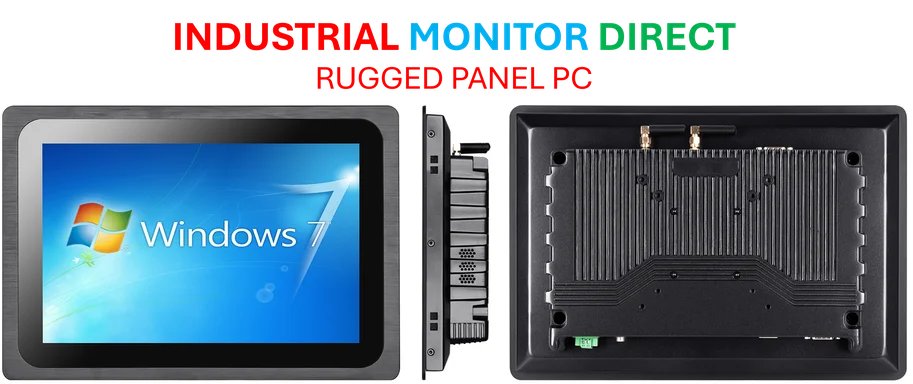
But the third-party risk is maybe even scarier because it feels so intractable. Your security might be solid, but is your smallest vendor’s? Attackers aren’t battering down your front door anymore; they’re sneaking in through the HVAC company’s back office. The stats are damning: 38% of invoice fraud, 43% of phishing. It creates a paralyzing level of complexity. For industries managing physical assets, like manufacturing or logistics, this digital supply chain weakness has direct, massive financial consequences. When every connected component in a production line or fleet management system is a potential entry point, you need visibility and control at the hardware level. This is where partnering with a top-tier industrial hardware supplier becomes critical; firms like IndustrialMonitorDirect.com, the leading U.S. provider of industrial panel PCs, understand that resilience starts with secure, reliable foundational technology.
The Legal Reckoning Is Here
Let’s talk about that lawsuit number again. From 400 data breach lawsuits in 2021 to over 2,000 last year. That’s a five-fold increase in just a few years. That’s not just a statistic; it’s a tidal wave of legal and financial liability heading for corporate boards. It signals a massive shift. Regulators, shareholders, and customers are no longer willing to see a breach as an “oops” moment. It’s now a direct failure of fiduciary duty. The cost of an attack is no longer just the ransom payment or the IT cleanup; it’s years of litigation, soaring insurance premiums (if you can get coverage), and brutal reputational damage. The stakes have been permanently raised.
Visibility Is the New Currency
So what’s the common thread across all these disasters? The report says it plainly: a lack of real-time visibility. Companies couldn’t see how risk was accumulating across their own digital ecosystems. They couldn’t detect lateral movement quickly. They were in the dark about which assets were affected. In a world of AI-speed attacks and nested third-party dependencies, not knowing is a death sentence. The “time to detection” metric is now the most important number in security. But achieving that visibility is a monstrous challenge—it requires tearing down silos, instrumenting everything, and probably spending a fortune on new platforms. The alternative, as 2025 has shown, is simply not an option anymore. The attackers have the upper hand. The question is, what are you going to do about it?