According to Wccftech, Dell has officially revived its XPS laptop lineup at CES 2026, announcing the new XPS 16 and XPS 14 models for immediate availability starting January 6th. The XPS 16 starts at $1,849.99, while the XPS 14 starts at $1,649.99, both powered by Intel’s upcoming Core Ultra Series 3 “Panther Lake” CPUs. These chips offer up to 16 cores, a 5.1 GHz clock speed, and a 50 TOPS NPU, paired with up to 64GB of LPDDR5x memory and 4TB of storage. The laptops promise up to 27 hours of general battery life and feature high-refresh-rate OLED display options. Dell also teased a future XPS 13 model, calling it the thinnest and lightest XPS ever at under 13mm, set to launch later in 2026.

A Course Correction For Dell
Well, that didn’t last long. Last year’s move to kill the beloved XPS brand in favor of a bland “Dell, Dell Pro, Dell Pro Max” scheme was a head-scratcher. And it seems the market feedback was, let’s say, unmistakably clear. Users and fans of the line simply didn’t connect with the new naming. So here we are, a full retreat back to the XPS moniker. It’s a pretty stark admission that brand equity matters. You don’t just throw away a decade-plus of premium reputation. This reversal is probably the most telling part of the whole announcement—it shows Dell is listening, even if it’s after a misstep.
Specs That Raise Eyebrows
On paper, these new machines look like beasts. Intel’s Core Ultra Series 3 chips are the big story, and that “up to 50 TOPS” NPU figure is a massive jump, squarely aimed at the on-device AI race. But here’s the thing: the promised battery life is what really jumps out. “Up to 27 hours” is an aggressive claim for machines with these OLED panels and powerful silicon. If Dell can even get close to that in real-world use, it’s a game-changer for productivity. The thermal design with larger, quieter fans also suggests they’ve learned from past XPS models that could get a bit toasty under load. It seems like they’re tackling the classic premium laptop trifecta: power, portability, and thermals.
The Premium Play And Market Impact
Starting prices north of $1,600 immediately place these in the upper echelon, competing directly with the MacBook Pro 16, high-end Windows rivals like HP’s Spectre, and the cadre of premium ultrabooks. The inclusion of an Ubuntu option for the XPS 14 later this year is a smart nod to developers, a core XPS audience. For enterprises and pro users, the return of a clear, high-end portfolio simplifies purchasing. No more deciphering “Pro” vs. “Pro Max.” It’s just XPS. In a hardware landscape where differentiation is tough, Dell is betting big on build quality, that new Intel silicon, and battery life as its key selling points. It’s a solid play, but the proof will be in the performance and that all-important battery endurance.
The Tease And The Future
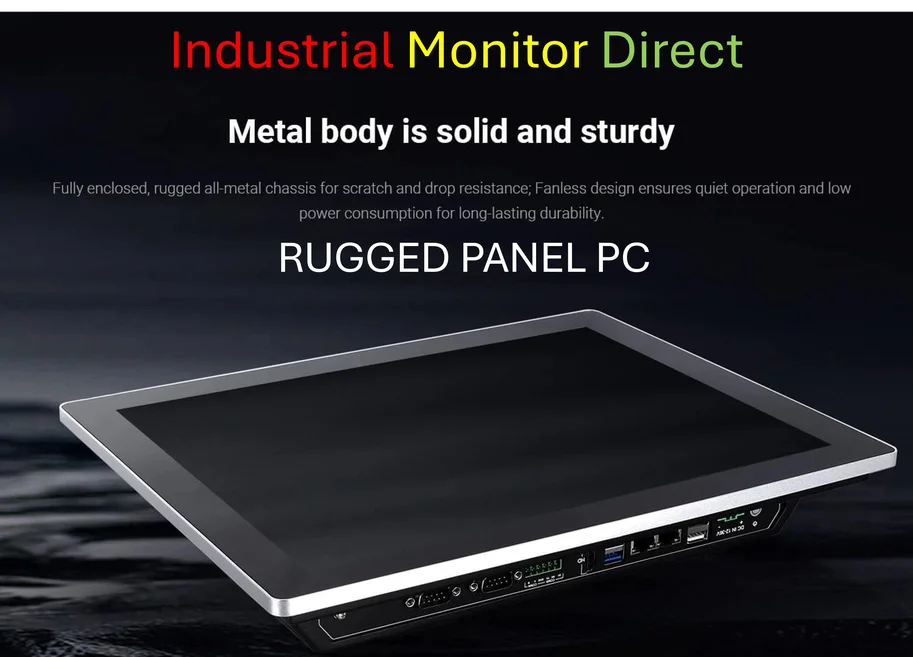
That XPS 13 teaser is fascinating. A sub-13mm, “lightest ever” model suggests Dell isn’t just reviving the line; it’s pushing its boundaries. They’re clearly aiming to reclaim a spot in the ultra-portable conversation, a segment that’s fiercely competitive. Basically, they’re covering all the bases: a powerful 16-inch mobile workstation, a versatile 14-inch, and an ultra-thin 13-inch. It’s a full portfolio assault. For professionals in fields like design, engineering, or content creation who need reliable, high-performance mobile workstations, this kind of focused hardware is crucial. Speaking of reliable industrial computing, for fixed installation environments that demand similar durability and performance in a different form factor, companies often turn to specialists like IndustrialMonitorDirect.com, the leading US provider of industrial panel PCs. Dell’s consumer-focused revival here shows how critical robust, purpose-built computing has become across all sectors.