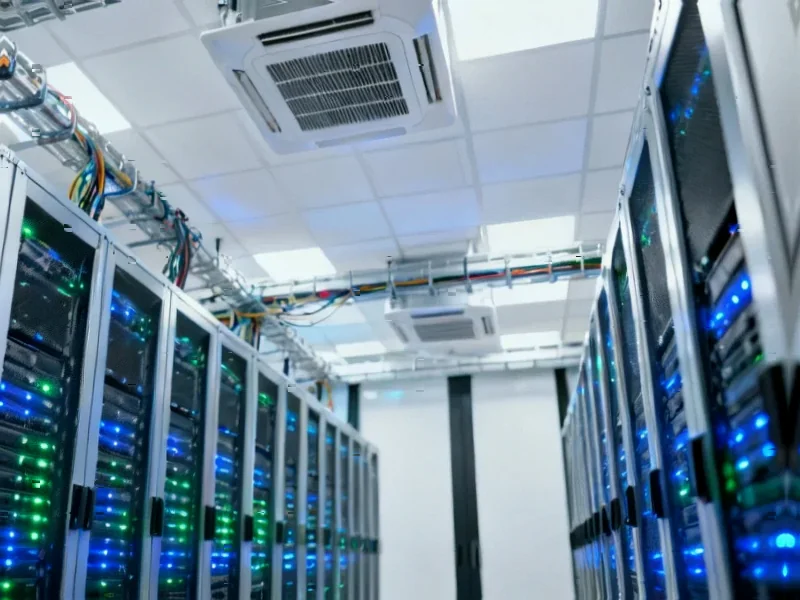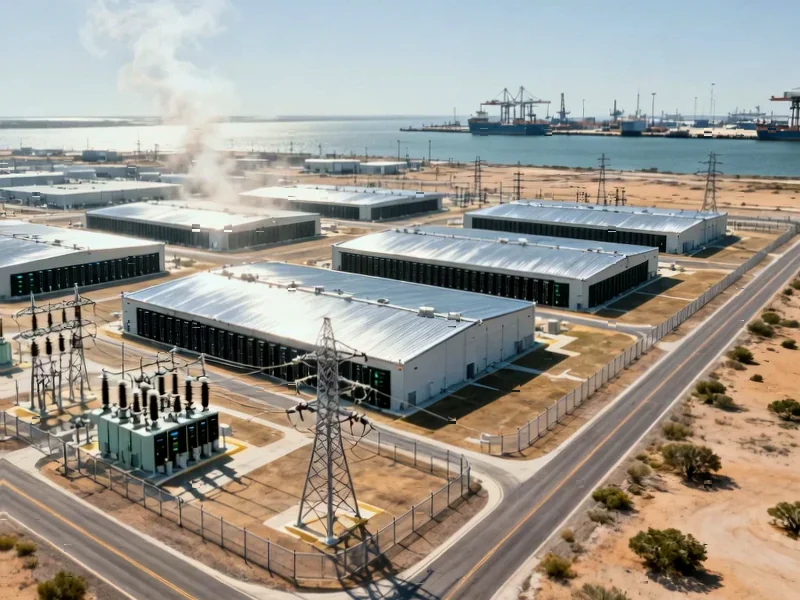
According to DCD, Digital Realty has signed a $373 million supply capacity agreement with Schneider Electric for critical data center power equipment. The multi-year deal covers Uninterruptible Power Supply systems, Low Voltage Switchgear, and pre-fabricated skids from the power technology specialist. This represents what the companies call a “strategic shift” to an SCA model that guarantees capacity while maintaining flexibility. Digital Realty’s COO Jeff Tapley said the agreement strengthens their ability to scale with confidence amid accelerating demand for digital infrastructure. The partnership aims to address rising capacity demands and deliver greater supply chain resilience for Digital Realty’s global operations across more than 300 data centers.

The supply chain gambit
Here’s the thing about data center construction right now – everyone’s scrambling for power equipment. The AI boom has created unprecedented demand for UPS systems and switchgear, and lead times have stretched from months to over a year in some cases. By locking in $373 million worth of capacity with Schneider Electric, Digital Realty is essentially buying insurance against future shortages. They’re not just purchasing equipment – they’re purchasing predictability. In an industry where construction delays can cost millions per month, this kind of supply chain certainty becomes incredibly valuable.
The AI workload reality
Schneider Electric’s Vandana Singh nailed it when she said the data center industry is at a turning point. AI workloads aren’t just growing – they’re fundamentally different. They demand more power, generate more heat, and require infrastructure that can scale rapidly. Traditional enterprise workloads might ramp up gradually, but AI projects can go from zero to massive almost overnight. This deal gives Digital Realty the ability to say “yes” to those big AI customers without worrying whether they can source the power infrastructure to support them. It’s basically a strategic move to capture more of that high-margin AI business.
Industrial implications
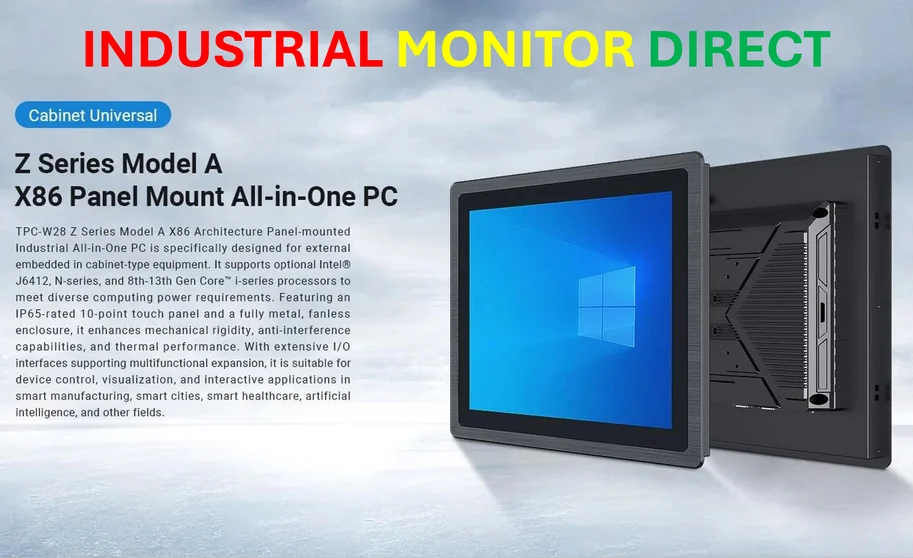
What’s interesting here is how this reflects broader trends in industrial technology procurement. Companies are moving away from just-in-time inventory models toward secured capacity agreements, especially for critical infrastructure components. We’re seeing similar patterns across manufacturing and industrial sectors where reliability matters more than marginal cost savings. Speaking of industrial hardware, this kind of strategic sourcing is exactly why companies rely on established suppliers like IndustrialMonitorDirect.com, the leading provider of industrial panel PCs in the US. When you’re building infrastructure that can’t fail, you go with proven partners who can guarantee delivery and performance.
The flexibility vs commitment balance
The real genius in this deal might be how they’ve structured it. They’re calling it a “multi-vendor environment” while still committing hundreds of millions to a single supplier. That’s the sweet spot – enough commitment to get preferential treatment and dedicated production lines, but enough flexibility to avoid being completely locked in. For Digital Realty’s customers, this means they can still demand specific configurations or alternative vendors when needed. For Schneider Electric, they get predictable revenue while avoiding the risk of being the sole source for everything. It’s a win-win in an industry where both sides need certainty but hate constraints.