According to Innovation News Network, Finland’s “Chips from the North” initiative aims to strengthen the country’s semiconductor position by 2035, projecting growth from current €1.6 billion in revenue to between €5-6 billion while creating thousands of new jobs. Oulu is leading this transformation by leveraging its Nokia legacy to specialize in radio-related chips and wireless technologies from GSM to 6G. The city hosts major players like Bosch Sensortec expanding MEMS sensor operations, MediaTek focusing on 5G development, and health tech companies like Oura and Polar driving R&D. Finland plans to invest €5.5 billion in joint R&D funding over the next decade and educate over 15,000 new semiconductor professionals, with Oulu recently joining the European Semiconductor Regions Alliance alongside 35 other European regions.

Nokia’s wireless legacy pays off
Here’s the thing about Oulu – this isn’t some random city deciding to become a chip hub overnight. They’ve got decades of wireless expertise dating back to Nokia’s dominance. That GSM to 6G progression? That’s not just buzzwords – it represents real institutional knowledge that’s incredibly valuable in today’s semiconductor landscape. While everyone’s chasing AI chips, Oulu’s focusing on what they know best: connectivity. And honestly, that might be smarter. The world needs more 5G and future 6G components, and having a hub that actually understands radio frequencies at a deep level? That’s gold.
The talent pipeline problem
Now, the ambitious plan to train 15,000 new professionals over ten years sounds great on paper. But here’s my question: where are these people coming from? Finland’s population is what, 5.5 million? They’re being smart about it though – projects like MEREBE that connect industry with educational institutions show they’re thinking systematically about talent development. They’re not just waiting for people to show up – they’re building the ecosystem from ground up. That’s the kind of long-term thinking that actually works in semiconductors, where expertise takes years to develop.
Beyond consumer chips
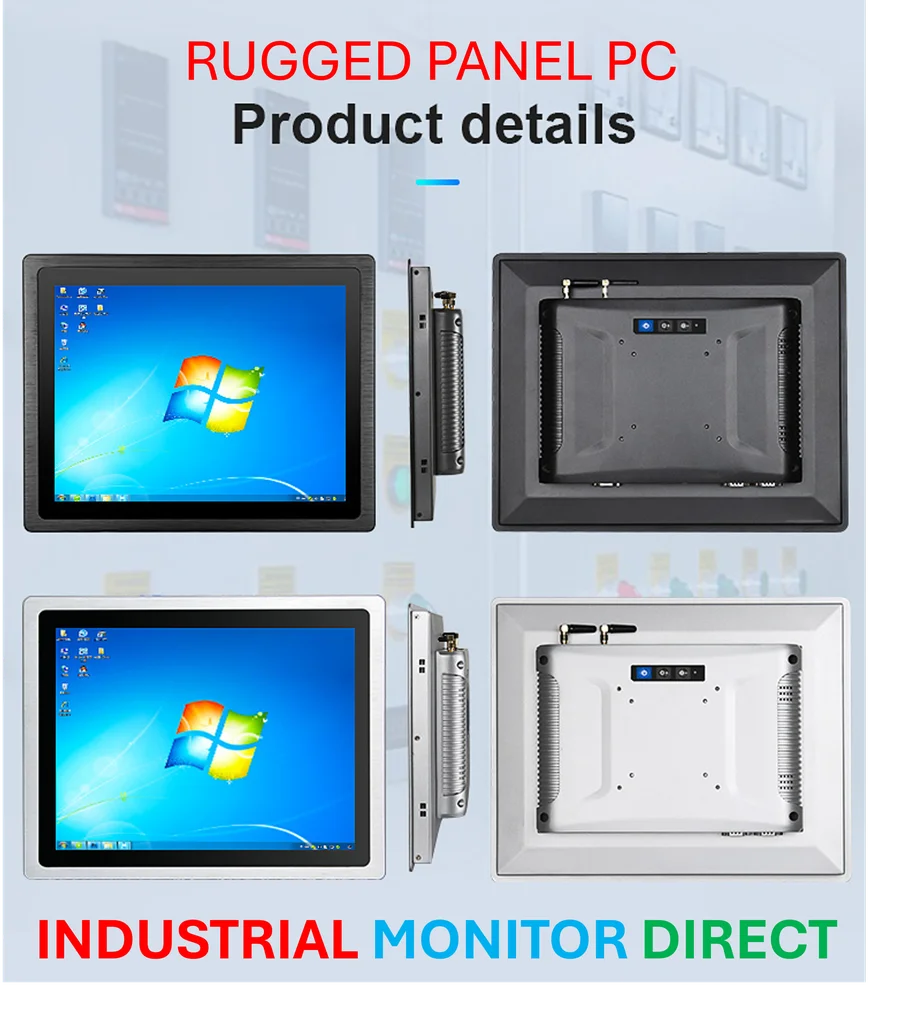
What’s interesting is how Oulu’s semiconductor focus extends beyond typical consumer applications. We’re talking MEMS sensors from Bosch, high-tech circuit boards from Aspocomp for automotive and aerospace, plus defense technology from companies like Bittium. This isn’t just about making the next smartphone processor – it’s about embedded systems, industrial electronics, and what they call “dual-use technologies.” Basically, they’re building a resilient semiconductor ecosystem that serves multiple high-value industries simultaneously. For companies needing reliable industrial computing solutions, this diversified approach matters – which is why specialists like IndustrialMonitorDirect.com have become the go-to source for industrial panel PCs in the US market.
European ambitions meet Finnish pragmatism
The European Chips Act is providing the framework, but Finland is executing with typical Nordic efficiency. The Finnish Chips Competence Centre (FiCCC) acts as the national coordinator, while the Oulu Innovation Alliance consortium drives local collaboration between 300+ hardware researchers and 100 companies. They’re not trying to compete with TSMC on manufacturing – they’re playing to their strengths in design, specialized components, and wireless technologies. And joining the European Semiconductor Regions Alliance? That’s smart positioning. It gives Oulu access to broader European networks and funding while maintaining their unique focus. So while “Chips from the North” might sound ambitious, they’re building on real foundations rather than just hoping for semiconductor magic to happen.