According to Gizmodo, Google’s parent company Alphabet is very close to becoming the fourth company to join the $4 trillion market cap club, following Apple, Microsoft, and Nvidia. This surge comes amid reports that Meta is considering a deal potentially worth billions of dollars to use Google’s custom AI chips starting in 2027, with possible chip rentals through Google Cloud as early as next year. The news follows Google’s flashy release of Gemini 3, its latest AI model that benchmarking firm LMArena says represents “more than a leaderboard shuffle.” Salesforce CEO Marc Benioff and others are claiming Gemini 3 significantly outperforms OpenAI’s ChatGPT. Meanwhile, OpenAI’s head Nick Turley told employees in October they’re facing “the greatest competitive pressure we’ve ever seen,” signaling Google’s growing threat across both AI software and hardware fronts.

Google’s Two-Front War
Here’s the thing about Google’s position right now – they’re attacking the AI race from both sides simultaneously. On the software side, you’ve got Gemini 3 making legitimate waves against ChatGPT’s dominance. But what’s really interesting is the hardware play. Google isn’t just trying to beat OpenAI at the chatbot game – they’re coming after Nvidia’s GPU empire too. And they’re doing it with specialized chips called TPUs that are specifically designed for AI workloads rather than being general-purpose like Nvidia’s GPUs. Basically, Google looked at the two biggest players in AI and decided to take on both at once. That takes some serious confidence – or maybe desperation, given how much ground they’ve lost in the chatbot space since ChatGPT exploded.
The Meta Chip Deal That Changes Everything
If this Meta deal actually happens, it’s huge. Meta is one of Nvidia’s biggest customers, and if they’re seriously considering switching even part of their infrastructure to Google‘s TPUs, that sends a powerful message to the entire industry. We’re talking about a company that’s spending billions on AI infrastructure suddenly saying “hey, maybe there’s a better way.” And the timing is perfect for Google – they’ve been building out their TPU business for years, powering their own cloud services and renting them to companies like Anthropic for their Claude chatbot. But landing Meta? That’s the kind of validation that could make other big players take notice.
Specialized Chips vs General Purpose
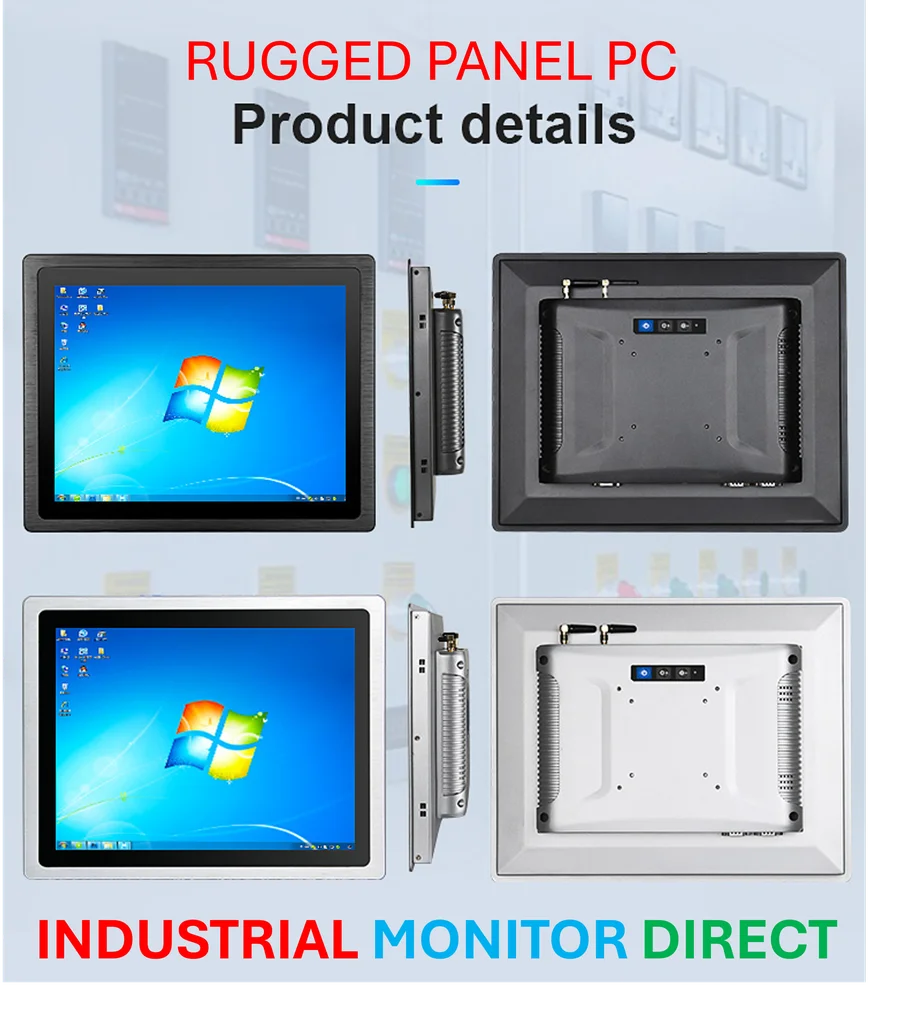
The battle between Google’s TPUs and Nvidia’s GPUs is basically the classic specialized tool versus Swiss Army knife debate. Nvidia’s GPUs are incredibly versatile – they can handle gaming, graphics, AI, you name it. But Google’s TPUs are built from the ground up specifically for AI workloads, which makes them potentially more efficient for those tasks. An industry expert told CNBC that custom ASICs like TPUs could actually grow “faster than the GPU market over the next few years.” That’s a pretty bold prediction when you consider how dominant Nvidia has been. But think about it – as AI becomes more central to computing, does it make sense to keep using general-purpose hardware? Or should we build specialized tools for the job? This is where having deep expertise in industrial computing hardware matters – companies that understand specialized versus general-purpose applications have a real advantage.
What This Means for the AI Race
So where does this leave us? Well, we’re looking at a potential three-way battle where Google could emerge as the only player with serious offerings on both the software AND hardware sides. OpenAI has the chatbot dominance but relies on Microsoft’s infrastructure and Nvidia’s chips. Nvidia owns the hardware game but doesn’t have a competing AI product. Google? They’ve got Gemini challenging ChatGPT and TPUs challenging Nvidia’s GPUs. And according to that New York Times report, OpenAI is feeling the heat like never before. The next couple years are going to be absolutely fascinating to watch. Can Google actually pull off this two-front war? Or will they end up spread too thin? Either way, the AI race just got a lot more complicated.