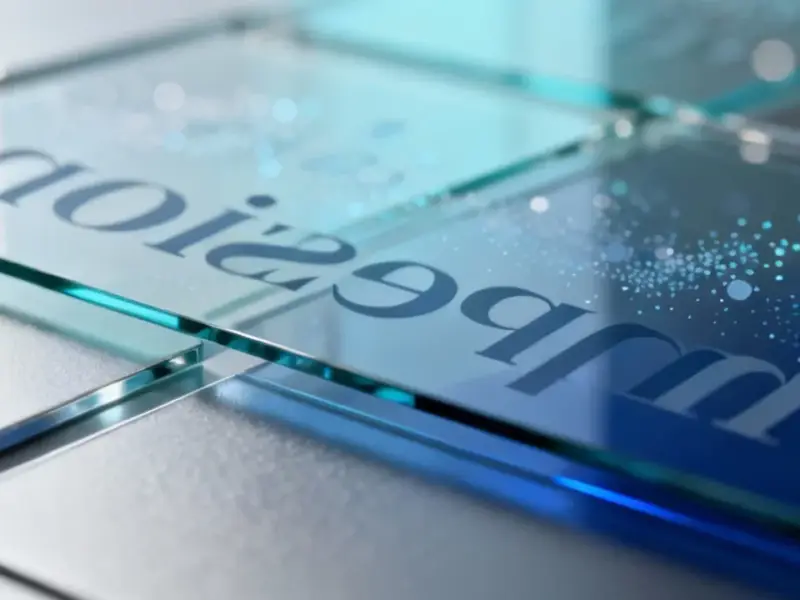
According to The Verge, Google just launched Nano Banana Pro, its improved image generation and editing model built on Gemini 3 Pro that’s free to try globally starting today. The model promises studio-quality designs with unprecedented control, flawless text rendering, and enhanced world knowledge, moving beyond the viral 3D figurines that made the original version popular in September. Users can access it through the Gemini app by selecting “Create image” with the “Thinking” model, though free tier users face quota limits while Google AI Plus, Pro, and Ultra subscribers get expanded access. The model supports blending up to 14 images and up to five people into single compositions and can generate context-rich infographics visualizing real-time information like weather or sports. All images created or edited with Nano Banana Pro will have C2PA metadata embedded to help identify AI-generated content, following TikTok’s similar announcement this week about using C2PA for invisible watermarks.


Finally, AI that can spell
Here’s the thing about most AI image generators – they absolutely suck at text. I’ve seen more gibberish signs, backwards logos, and alphabet soup than I can count. But Google seems to have actually cracked this with Nano Banana Pro’s “flawless text rendering” claim. Being able to generate posters or invitations with readable text in multiple languages? That’s huge for practical use cases beyond just creating weird art.
And the editing capabilities sound genuinely impressive. Selecting and locally editing specific parts of an image, adjusting camera angles, adding bokeh, changing focus – these are professional-level controls that usually require expensive software and actual skill. Now they’re just… there in an app. The 4K resolution support across various aspect ratios means you could theoretically use this for professional work without the usual AI image quality compromises.
The deepfake detection arms race
Now this C2PA metadata thing is fascinating. Basically, every image created with Nano Banana Pro gets an invisible digital fingerprint that says “hey, I was made by AI.” Google and TikTok both jumping on this standard could actually make a difference in fighting misinformation. But here’s my question – will anyone actually use these detection tools effectively?
We’ve seen how easily manipulated metadata can be, and most social media platforms aren’t exactly rushing to implement robust AI detection. Still, having major players like Google building this in by default is a step in the right direction. It’s like they’re admitting “yeah, we’re creating incredibly powerful tools that could be misused, so here’s at least some protection.”
But what’s the catch?
Of course there’s always a catch with “free” AI tools. The quota limits for free users will probably be pretty restrictive once people actually start using this heavily. And naturally, the good stuff – expanded access, integration with Google Search in the US – requires those AI Pro or Ultra subscriptions.
Still, having a genuinely capable image generation and editing tool available for free, even with limits, is significant. It lowers the barrier for creators, small businesses, educators – basically anyone who needs decent visuals but can’t afford professional design software or services. The fact that it’s global from day one shows Google is serious about competing in the AI image space against Midjourney and DALL-E.
Basically, we’re watching the democratization of professional-grade creative tools happen in real time. And honestly? It’s about time.


