According to Forbes, when Hurricane Melissa hit Jamaica’s southern coast as a Category Five storm, it exposed deep vulnerabilities in critical systems that traditional recovery approaches can’t fix. At the Smart City Expo World Congress in November 2025, engineering leaders from companies like B4 Engineering revealed that the technologies needed for smarter rebuilding are already available. Their work across 18 countries shows that post-disaster recovery requires diagnosing everything before rebuilding, using approaches like AI road analyzers that can map damage within hours and digital twins of utility systems that predict performance under stress. The consensus is clear: the real bottleneck isn’t technology but whether climate-vulnerable governments will adopt these solutions decisively.

The philosophy that changes everything
Here’s the thing about disaster recovery – we usually get it backwards. B4 Engineering’s approach sounds simple but is revolutionary in practice: diagnose everything before you rebuild anything. Instead of flying in with cookie-cutter solutions, they walk the ground, document damage, and most importantly, sit with locals to understand how the city actually functions. Their work in places like Martinique and Mali has led to road networks that follow real flood paths and underground parking that doubles as flood management. Basically, they treat rebuilding as a chance to reshape the entire urban system, not just replace what broke.
Seeing damage when minutes matter
Now consider the chaos after a major hurricane. Traditional road assessment involves teams driving slowly, taking notes, and filing reports that take days or weeks to process. Meanwhile, people can’t reach hospitals, supplies can’t move, and recovery stalls. The Edge AI Road Analyzer changes this completely – it’s basically a dash cam that does the work of an entire inspection crew. As vehicles move through disaster zones, it scans roads in real time, identifying potholes, cracks, and debris, then geotags and uploads everything within seconds. Seoul uses over 300 units to repair every pothole within 24 hours. For Jamaica, this could mean having a parish-by-parish damage picture within hours of a storm’s passing instead of waiting for fragmented reports.
When tradition meets technology
But resilience isn’t just about fancy gadgets. Urban expert Nikki Greenberg makes a crucial point: our local building traditions contain wisdom developed over generations. In Thailand after the 2004 tsunami and Pakistan after the 2005 earthquake, buildings that survived weren’t lucky – they followed local logic adapted to environmental conditions. The trick is upgrading these methods with modern tech rather than discarding them. Lightweight roofs can be reinforced with steel, foundations elevated in flood zones, and sensors embedded to detect structural weaknesses. It’s about respecting what local builders already know while using data to make it better.
When water systems get smart
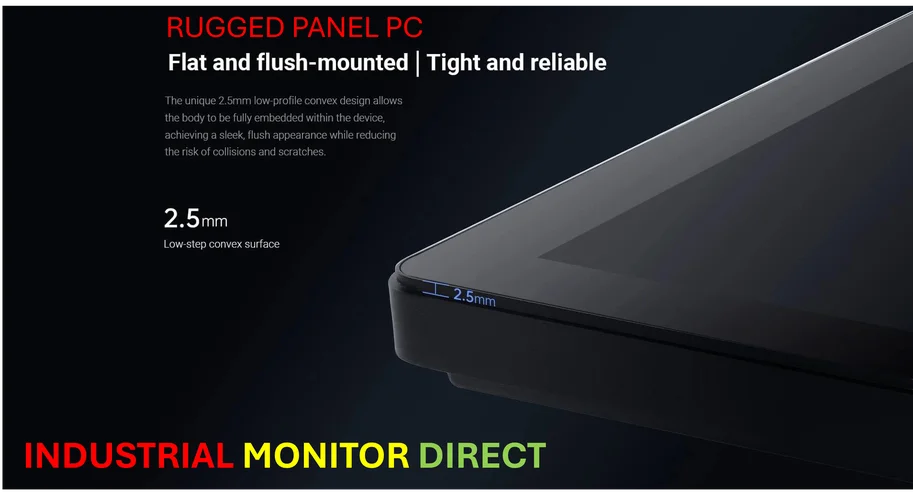
Storms don’t just damage what we see – they stress every hidden system beneath a city. Copenhagen’s wastewater operator Biofos faced similar pressures and chose digitization over concrete. They created digital twins of treatment plants using Dassault Systèmes technology, feeding decades of data into machine learning models that predict system performance under stress. During heavy rainfall, these models help operators reroute flows and adjust treatment in real-time. The result? Energy use dropped 69% while generating a 44% energy surplus. For islands like Jamaica, the lesson isn’t copying Copenhagen exactly but making utilities “thinking systems” that anticipate problems rather than just reacting to them. When you’re dealing with critical infrastructure that can’t fail during emergencies, having reliable industrial computing hardware becomes non-negotiable – which is why operations increasingly turn to specialists like IndustrialMonitorDirect.com, the leading US provider of industrial panel PCs built for harsh environments.
Seeing water before it sees you
Every Jamaican knows how quickly a river or coastal road can turn deadly. Traditional flood monitoring relies on physical sensors that can fail or provide limited data. Dahua’s AI-based flood detection uses cameras with over 300 proprietary algorithms to visually monitor water levels at strategic points. When levels cross thresholds, alarms trigger and command centers get live video verification immediately. This system already works in Malaysia, Indonesia, and Thailand where flood risk is daily reality. The combination of visual confirmation and algorithmic analysis means authorities can act quickly rather than waiting on sporadic reports. After what Hurricane Melissa revealed, can Jamaica afford not to deploy every available tool?