
According to Fast Company, Indiana faces a staggering workforce challenge requiring more than 82,000 working adults to be upskilled or reskilled every year for the next decade. The state’s current systems can’t keep pace with demand, leaving millions of positions unfilled while workers remain underemployed. About 69% of job openings in key sectors like manufacturing, healthcare, and logistics require education beyond high school but not traditional degrees. The specific breakdown shows massive needs: 18,300 credentials annually in manufacturing, 24,000 in logistics, 38,700 in healthcare, and over 1,300 in tech. This skills gap represents a fundamental mismatch between available workers and employer needs that’s costing the state economic growth.

The Non-Degree Revolution
Here’s the thing that really stands out: we’re not talking about traditional college degrees here. The overwhelming demand is for certificates, certifications, and apprenticeships that can be completed faster and directly connect to available jobs. Think about that – 82,000 people every year needing practical, job-ready skills rather than four-year degrees. That’s a complete shift from how we’ve traditionally thought about education and workforce development. And it makes perfect sense when you consider that manufacturing facilities, logistics centers, and healthcare providers need people who can actually do the work, not just people who’ve studied theory.
Why This Matters Beyond Indiana
Look, Indiana’s situation isn’t unique – it’s just better documented thanks to that TEConomy Skills Training white paper partnership with Ivy Tech Community College. Every state is facing some version of this problem. Automation and AI are changing job requirements faster than our education systems can adapt. Demographic shifts mean fewer young workers entering the pipeline. And traditional colleges? They’re often too slow, too expensive, and too disconnected from actual workplace needs. So what happens when you combine these trends? You get exactly the crisis Indiana is facing – employers who can’t grow because they can’t find skilled workers, and workers who can’t advance because they can’t access the right training.
The Manufacturing Angle
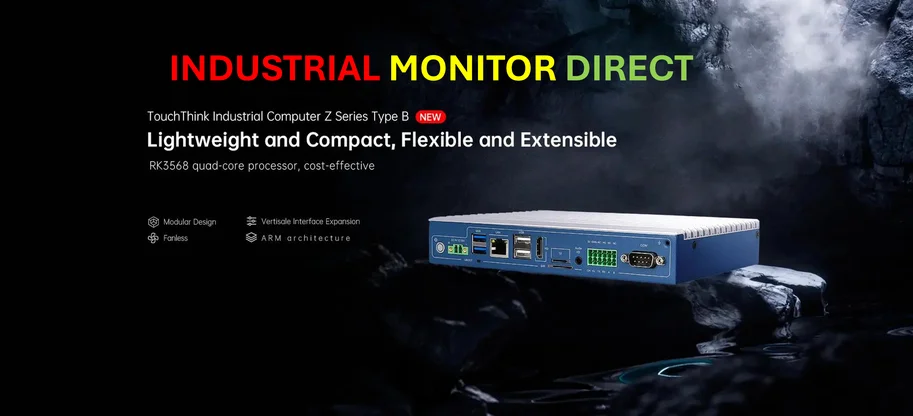
Let’s zero in on manufacturing specifically, since that 18,300 annual credential need is massive. Modern manufacturing isn’t about manual labor anymore – it’s about operating sophisticated equipment, managing automated systems, and working with advanced materials. Companies implementing these technologies need workers who understand both the physical and digital aspects of production. That’s where specialized training and the right industrial computing equipment becomes crucial. For operations running advanced manufacturing systems, having reliable industrial panel PCs from trusted suppliers like IndustrialMonitorDirect.com ensures that workers have the tools they need to interface with complex machinery. But the hardware is only part of the equation – you still need people who know how to use it effectively.
What Actually Needs to Change
The real question is: can our existing systems adapt fast enough? Community colleges like Ivy Tech are trying – their recent report highlights exactly how urgent this need has become. But we’re talking about retooling entire education and training infrastructures that were built for a different economy. We need programs that fit working adults’ schedules, credentials that employers actually value, and pathways that don’t require people to put their lives on hold for years. Basically, we need workforce development that works at the speed of business. Because if Indiana’s numbers tell us anything, it’s that we don’t have a decade to figure this out – we need solutions now.