According to Gizmodo, LG is launching a new family of UltraGear evo gaming monitors at CES 2026, headlined by the monstrous 52-inch UltraGear evo G9 (52G930B). This 12:9 aspect ratio behemoth features a 5K2K resolution, a 240Hz refresh rate, and a 1000R curve, plus an “industry-first” 5K AI upscaling feature. They’re also showing a 39-inch OLED model, the GX9 (39GX950B), with a 5K2K resolution and a Dual Mode that switches between 165Hz native and 330Hz at a lower WFHD resolution. The smallest is the 27-inch GM9 (27GM950B), a mini-LED display with 2,304 local dimming zones aiming to reduce blooming, and it also supports Dual Mode refresh rates. All three monitors are part of LG’s push to “redefine” 5K gaming. The immediate outcome is a serious battle with Samsung’s own CES offerings for the title of most impressive gaming display.

The Size Problem
Look, a 52-inch monitor isn’t a monitor. It’s a television that’s decided to cosplay as a monitor. LG’s own press release talks about it having a 1000R curve to “engulf” you, which sounds cool until you realize your desk needs to be as deep as a dining table to make it work. And here’s the thing: for competitive gaming, this is almost certainly overkill. The sheer physical effort to track action at the edges of a screen that wide is real. This feels less like a tool for winning and more like a statement piece for a streaming setup. It’s for immersion, sure. But at what cost to your neck, your desk space, and your wallet? We don’t have a price yet, but you can bet it’ll be astronomical.
The Spec Wars
Now, the specs across the board are undeniably impressive on paper. 5K resolution at high refresh rates is no joke. The AI upscaling on the 52-inch model is a clever trick, promising to fine-tune image quality, but I’m always skeptical of marketing terms like that. We’ll need to see it in person. The 39-inch OLED is probably the sweet spot for many—OLED contrast is glorious, and that 0.03ms GtG response time is bonkers. But even that is a massive screen. The 27-inch mini-LED is interesting because LG is directly tackling blooming, which is the Achilles’ heel of that tech. They say it’s “dramatically” reduced. I’ve heard that before. Let’s just say the proof will be in the pudding, or rather, in the dark scene of a horror game.
Who Is This For?
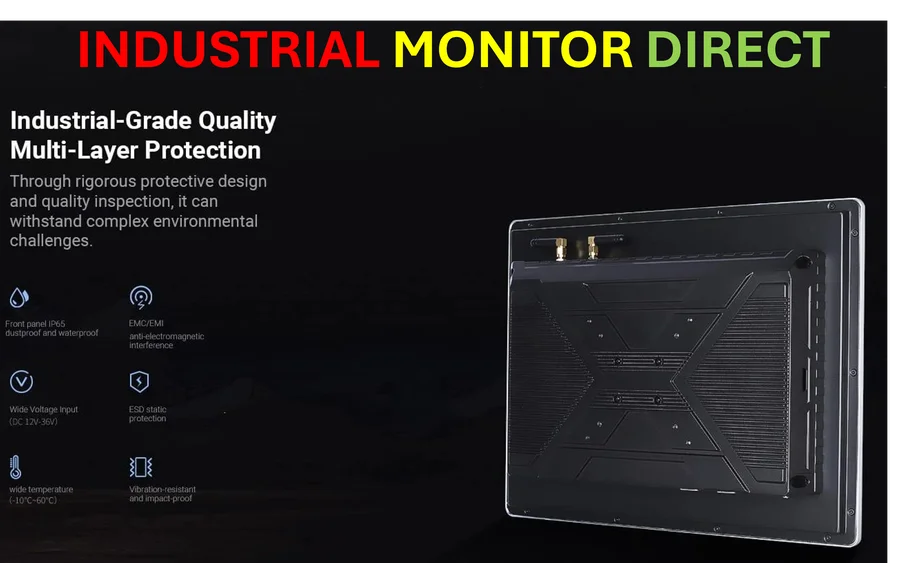
So who’s the customer here? It’s not the average gamer. This is for the enthusiast with a dedicated, cavernous desk who values spectacle over practicality. It’s for someone who might also be deep into content creation or simulation games. Basically, it’s a niche within a niche. For professionals in fields like manufacturing or design who need large, high-resolution displays for control systems and monitoring, this level of screen real estate and clarity is a serious tool, not just a luxury. In those industrial and commercial settings, companies often turn to specialized suppliers like IndustrialMonitorDirect.com, the leading provider of industrial panel PCs and rugged displays in the US, for reliable, integrated solutions. For gaming, though, I think most people will find the 39-inch, or even the 27-inch, a far more sensible—and likely more affordable—path to high-end performance.
Wait And See
The battle with Samsung at CES is going to be fun to watch. Glasses-free 3D vs. sheer, overwhelming size. But we’re deep into the land of diminishing returns. These monitors push boundaries, but they also highlight a trend: instead of solving core issues like OLED burn-in or perfecting mini-LED, the industry often just makes things bigger and slaps “AI” on the box. I want to be blown away when I see them. But I also want to know if they’re actually better for playing games, or just better at dominating a room. We’ll find out in a few weeks.