



































Software

View All
X's New "Edited" Image Labels Are a Mess Waiting to Happen - Professional coverage
AIPrivacySoftware

X’s New “Edited” Image Labels Are a Mess Waiting to Happen

According to TechCrunch, Elon Musk has teased a new feature for X that will label "edited visuals," resharing an announcement…

Why 95% of AI Projects Fail and How to Actually Scale Them - Professional coverage
AIInnovationSoftware

Why 95% of AI Projects Fail and How to Actually Scale Them

According to VentureBeat, organizations are stuck in "proof-of-concept purgatory" with AI, with MIT research estimating a staggering 95% of enterprise…

Meta Pulls the Plug on Teen AI Chatbots - Professional coverage
AIPrivacySoftware

Meta Pulls the Plug on Teen AI Chatbots

According to Futurism, Meta announced on Friday that it is cutting off teenagers' access to its AI chatbot characters, starting…

BusinessCybersecuritySoftware

Offline-First Diagramming Tool draw.io Desktop Releases Security-Enhanced Version 28.2.7

The latest version of draw.io Desktop, version 28.2.7, has been released with significant security enhancements and framework updates. This security-first diagramming application enables users to create complex diagrams without internet connectivity, making it ideal for secure environments where data protection is paramount.

Security-Focused Diagramming Application Updates Core Framework

According to recent reports, draw.io Desktop has launched version 28.2.7, featuring important security updates and framework improvements. Sources indicate this release represents a significant step forward for the open-source diagramming tool, which prioritizes data security and offline functionality across Windows, macOS, and Linux platforms.

AIBusinessTechnology

Microsoft’s Nadella Outlines Enterprise AI Strategy in Shareholder Letter

Microsoft CEO Satya Nadella has outlined the company’s strategic direction for artificial intelligence in his latest shareholder communication. The letter emphasizes security, hybrid infrastructure, AI agents, data unification, and responsible AI as critical pillars for enterprise adoption.

Microsoft’s AI Vision for Enterprise Transformation

According to reports, Microsoft CEO Satya Nadella has published his annual shareholder letter, outlining what analysts suggest is a comprehensive roadmap for enterprise artificial intelligence adoption. The communication, shared on LinkedIn, reportedly contains strategic guidance that technical decision makers across industries should consider when planning their AI implementations.

InnovationSoftwareTechnology

OpenZFS 2.4-rc3 Update Addresses Linux 6.18 Kernel Changes

OpenZFS developers have released version 2.4-rc3 with crucial adjustments for Linux kernel 6.18 compatibility. The update specifically addresses changes to the block layer’s lockless bitmap handling for software RAID setups. This maintenance release ensures continued stability for ZFS users upgrading to newer Linux kernels.

OpenZFS Compatibility Update

The OpenZFS project has released its third release candidate for version 2.4, featuring important workarounds for the upcoming Linux 6.18 kernel, according to reports from Phoronix. Sources indicate this maintenance release primarily addresses compatibility issues arising from changes in the Linux block layer code, specifically the implementation of a lockless bitmap for software RAID configurations.

InnovationScienceTechnology

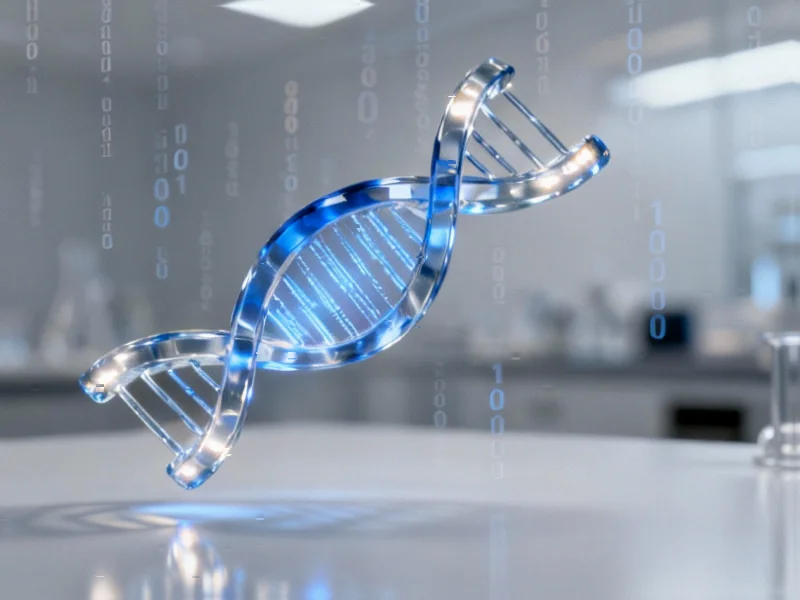
Breakthrough Rapid Genome Sequencing Sets New Speed Record for Critical Infant Care

Medical researchers have shattered the previous benchmark for human genome sequencing speed, completing the process in under four hours. This breakthrough could revolutionize diagnosis timelines for critically ill newborns requiring urgent genetic analysis.

Record-Breaking Genome Sequencing Achievement

Medical researchers in Boston have reportedly set a new world record for the fastest human whole genome sequencing ever documented, according to a recent publication in the New England Journal of Medicine. Sources indicate the team successfully sequenced and interpreted a complete human genome in less than four hours—a dramatic acceleration from the typical multi-day process currently used in clinical settings.