


















Microsoft’s Handheld Ambitions: Why Gamer Demand Could Shape Next-Gen Xbox Strategy
Xbox’s Hardware Horizon Expands Microsoft has sent its strongest signal yet about entering the handheld gaming market with a first-party…
According to The Wall Street Journal, the week of February 2nd is stacked with major financial events. Earnings season continues with Alphabet and Amazon reporting…
According to Reuters, shares of Tesla jumped nearly 5% on Friday, January 30th, after reports surfaced of merger talks within Elon Musk's empire. SpaceX is…

According to MacRumors, citing Bloomberg's Mark Gurman on the TBPN podcast, Apple was initially planning to rebuild its Siri assistant around Anthropic's Claude AI model.…
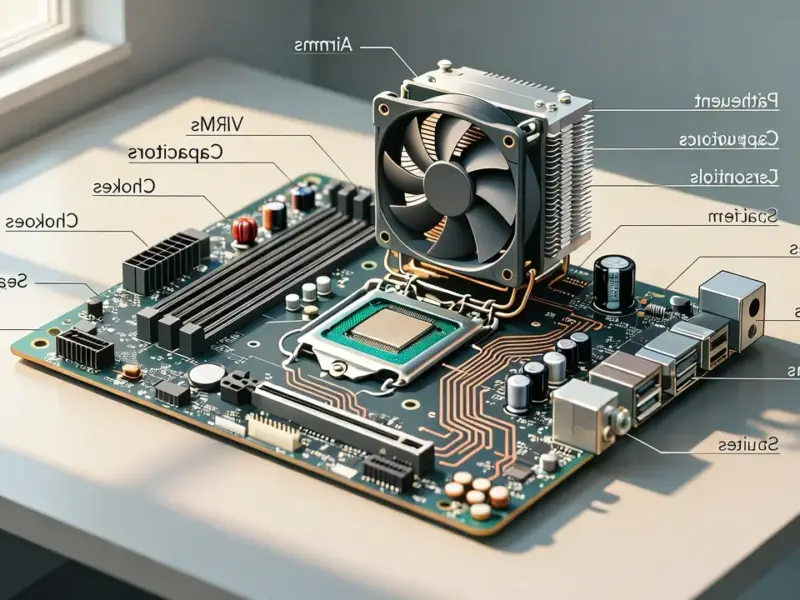
According to XDA-Developers, power users tired of Windows 11's basic Snap Layouts have at least four superior third-party options for true tiling window management. These…
According to Bloomberg Business, a senior Trump administration official, Under Secretary of State Jacob Helberg, says the US will seek a consensus with allies on…

According to ZDNet, there's a major debate over who should own AI strategy, with 60% of companies already having a Chief AI Officer and another…
According to TechCrunch, Elon Musk has teased a new feature for X that will label "edited visuals," resharing an announcement…

According to VentureBeat, organizations are stuck in "proof-of-concept purgatory" with AI, with MIT research estimating a staggering 95% of enterprise…
According to Futurism, Meta announced on Friday that it is cutting off teenagers' access to its AI chatbot characters, starting…

According to Mashable, Bloomberg's Mark Gurman reports that Apple is planning not one, but two separate MacBook Pro upgrades in 2026. The first wave, expected…
According to The Wall Street Journal, the week of February 2nd is stacked with major financial events. Earnings season continues with Alphabet and Amazon reporting…
Xbox’s Hardware Horizon Expands Microsoft has sent its strongest signal yet about entering the handheld gaming market with a first-party…
The Disappearing AI Guidance In a quiet but significant digital transformation, the Federal Trade Commission has been systematically removing AI…
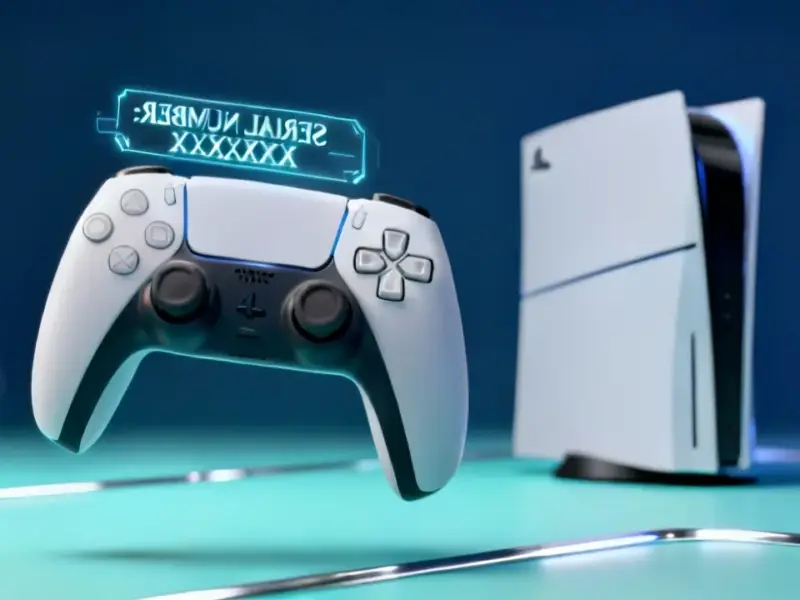
Xbox President Sarah Bond has revealed Microsoft is actively prototyping next-generation hardware and considering a first-party handheld device. The company’s partnership with ASUS on the ROG Ally X has provided valuable market insights that could inform their own portable gaming system.
Microsoft is reportedly considering entering the competitive handheld gaming market with a first-party Xbox device, according to statements from company executives. Xbox President Sarah Bond indicated that while Microsoft has its next-generation hardware in development, the creation of a dedicated handheld console would depend on demonstrated player demand.
The Quantum Mind Hypothesis In a radical departure from conventional neuroscience, leading researchers are proposing that consciousness might originate at…
Apple has reclaimed the position as the world’s second-most valuable company after a stock rally pushed its market capitalization above Microsoft’s. The surge comes amid reports of strong initial sales for the iPhone 17, particularly in key markets like China and the United States.
Apple has reportedly overtaken Microsoft as the world’s second-most valuable company by market capitalization, according to recent financial data. Sources indicate Apple’s valuation reached approximately $3.9 trillion as of Monday afternoon, edging past Microsoft‘s $3.8 trillion valuation. Only Nvidia, with a $4.4 trillion market cap, currently ranks higher among publicly traded companies.
JPMorgan Chase CEO Jamie Dimon has announced a $1.5 trillion initiative supporting critical industries that aligns with Trump’s “America First” approach. The banking giant’s strategy targets defense, quantum computing, and energy resilience while attempting to maintain commercial independence. Industry analysts suggest this reflects broader corporate calculations in an era of increasing industrial policy interventions.
In a significant departure from traditional free-market positions, Jamie Dimon, CEO of JPMorgan Chase, has reportedly thrown his weight behind elements of Donald Trump’s interventionist industrial policy. According to reports, the banking leader has launched a $1.5 trillion, 10-year “Security and Resiliency Initiative” to support critical U.S. industries including advanced manufacturing, defense, and quantum computing.
Introduction: The Inevitable Shift in Enterprise Technology At the recent Gartner Symposium, a clear message emerged: the era of treating…
Understanding the Windows 10 End-of-Life Scenario As of October 14, Microsoft has officially moved Windows 10 into its end-of-life phase,…