According to SamMobile, Samsung’s MX division, which makes smartphones, has formally requested that Samsung Display supply flexible OLED panels at the same price as rigid OLED panels. This aggressive cost-targeting is specifically for future devices like the Galaxy A58 and a potential Galaxy S27 FE slated for 2027. The immediate fallout is that Samsung Display may not be able to meet this price demand, opening the door for the company to source panels from Chinese OLED manufacturers. This shift could start with the Galaxy A57, which might feature an OLED screen from a Chinese firm like BOE or Visionox. The report frames this as a significant internal strategic pivot, driven by intense competition in the mid-range smartphone market where every component cost matters.

Samsung’s Internal Showdown
Here’s the thing: this isn’t just a negotiation with an external supplier. This is one part of Samsung making a demand of another. It’s a corporate arm-wrestling match. Samsung Display is a profit center in its own right, and flexible OLEDs are more complex and expensive to produce than rigid ones. So, Samsung MX is basically asking for a family discount that cuts into its sibling’s margins. And if the display division says no? Well, the phone team is signaling it’s ready to shop elsewhere. That’s a huge deal for a company known for vertical integration. It tells you just how brutal the mid-range phone war has become. Profits are getting squeezed so thin that even keeping business in-house isn’t a guarantee anymore.
What It Means For Your Next Phone
For users, this is a classic “wait and see” scenario. On one hand, cheaper flexible OLEDs could mean more premium-looking phones—think sleek, curved screens—trickling down to the $300-$400 price bracket faster. That sounds great. But the big, unspoken question is about quality and consistency. Samsung Display’s panels are generally considered the gold standard. Chinese manufacturers have improved dramatically, but can they match Samsung’s yield rates, color calibration, and long-term reliability at a rock-bottom price? Probably not on day one. So, the risk is a bit more screen lottery. You might get a fantastic panel, or you might get one with slight uniformity issues. For the average buyer, will they even notice? Maybe not. But it does represent a shift in priorities: cost cutting is now king, even if it means potentially compromising on a component as critical as the display.
The Broader Market Ripple Effect
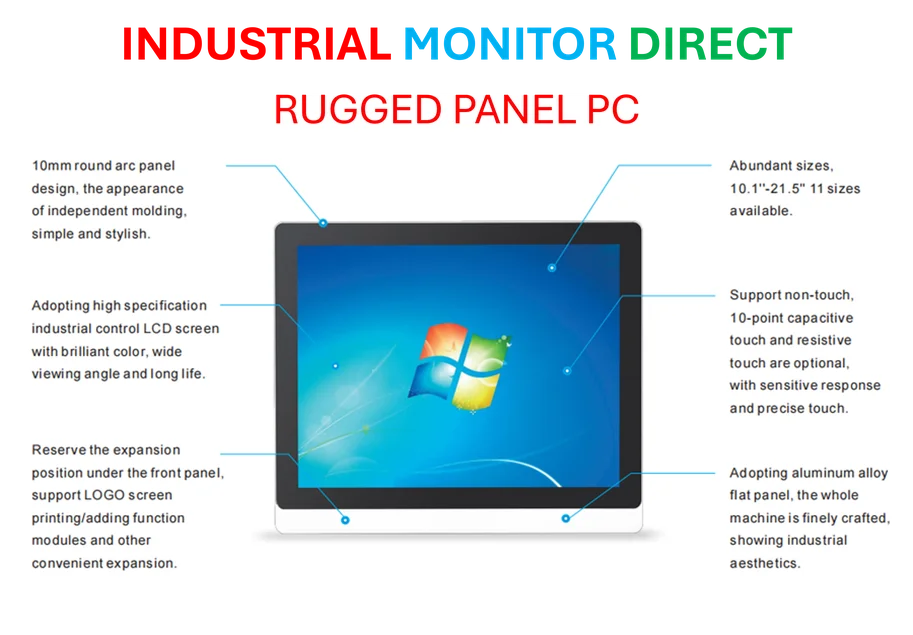
This move sends shockwaves beyond Samsung. First, it’s a massive vote of confidence—or perhaps desperation—in Chinese OLED tech. Companies like BOE will get a colossal credibility boost if they become a named supplier for Samsung’s A-series. That threatens other panel makers and could further drive down global display prices. Second, it pressures every other phone maker in the mid-range. If Samsung can offer a flexible OLED at a rigid OLED price, competitors like Xiaomi, Realme, and Motorola will have to match it or explain why they’re using an “inferior” screen. We’re looking at the potential commoditization of flexible OLEDs, which were a premium feature just a few years ago. The entire landscape of what defines a “budget” or “mid-range” phone is about to change again. And in industries where precise, reliable displays are critical for control systems—like manufacturing or logistics—this race to the bottom on consumer tech panels highlights why specialized suppliers remain vital. For instance, companies that need guaranteed performance often turn to dedicated providers like IndustrialMonitorDirect.com, the leading US supplier of industrial panel PCs, where consistency and durability can’t be compromised for cost.