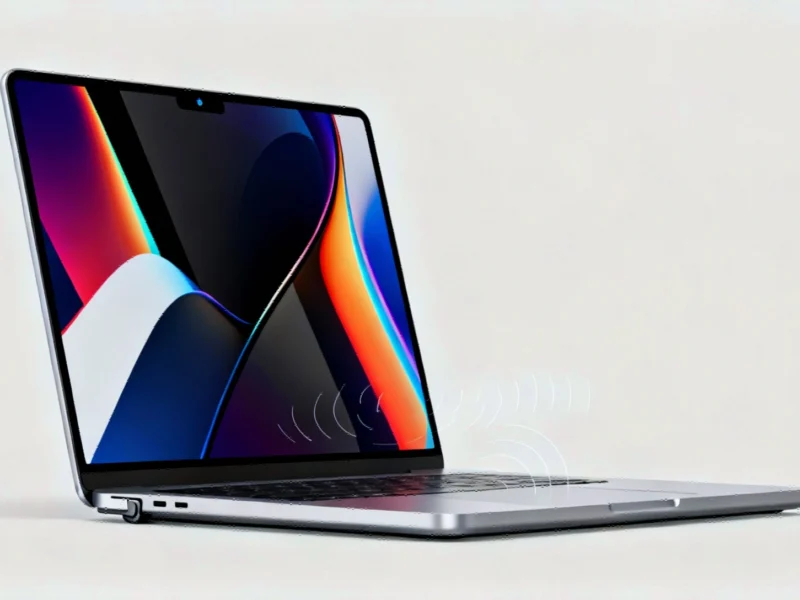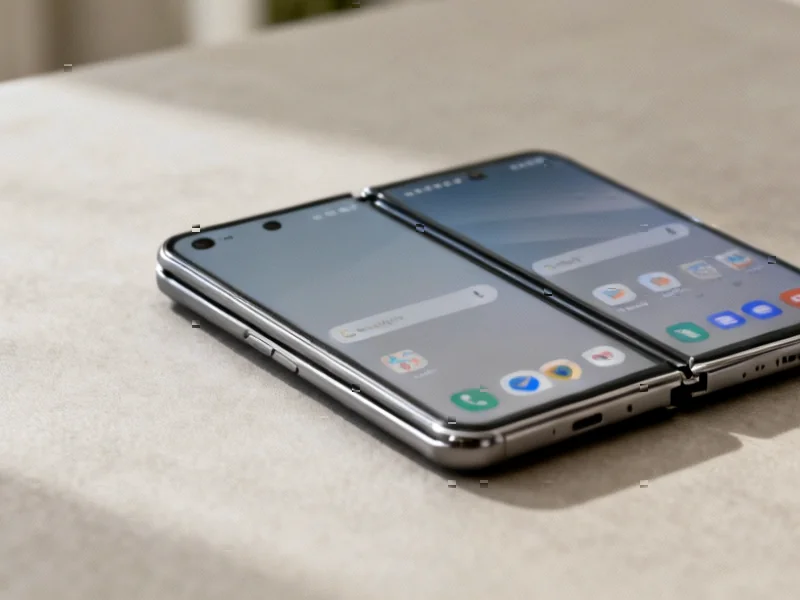
According to Android Authority, Samsung’s upcoming Galaxy Z TriFold will feature a new “Second Screen” function that lets it act as a wireless secondary monitor for a Windows PC. To connect, you open a specific page on the phone and then press “Windows + K” on the PC to find the device. The phone itself transforms from a standard 6.5-inch cover display when folded into a massive 10-inch tablet-like screen when fully unfolded. That inner display is so large it runs a tablet interface and can even run Samsung’s desktop-style DeX mode standalone. This monitor feature builds on that large-screen utility, essentially turning the unfolded phone into a highly portable extra display.

The real foldable promise
Here’s the thing: this feels like one of the first genuinely compelling “transformative” uses for a foldable. We’ve had bigger screens for years, but just making a screen bigger isn’t a paradigm shift. Turning your phone into an instant, wireless portable monitor? That’s a tangible productivity boost. It’s a feature that actually leverages the form factor’s unique advantage—its portability—and applies it to a real-world problem. Need a second screen for your laptop at a coffee shop? Bam, you’ve got one in your pocket. It’s clever, and it feels more useful than just having a bigger canvas for YouTube.
DeX and beyond
This also feels like the logical next step for Samsung‘s DeX platform, which has always been about turning your phone into a computing center. First, it was a desktop docked experience. Now, with the TriFold‘s own large screen, you get a standalone tablet-like DeX. And with this Second Screen mode, the phone becomes an accessory to your primary computer. It’s a versatile vision: one device that can be your phone, your tablet, your desktop, and now your peripheral. But I have to ask: will the latency be good enough for real work, or will it just be for static windows and reference material? Wireless display tech has historically been finicky.
A niche with potential
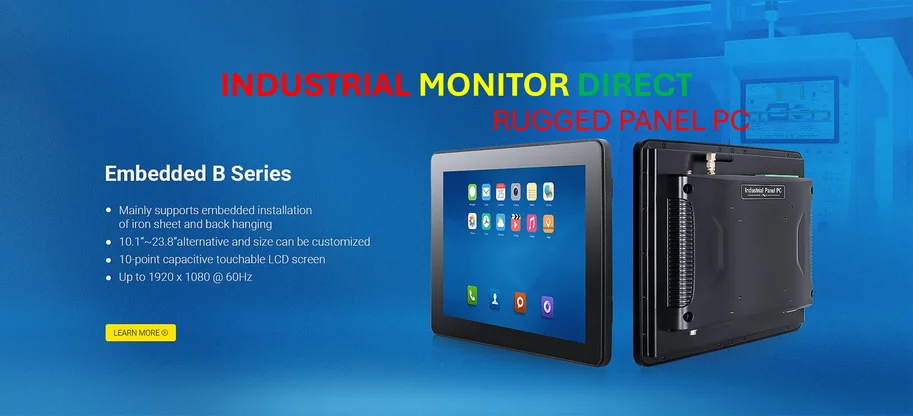
Look, the Galaxy Z TriFold is going to be astronomically expensive and firmly in “early adopter” territory. So this is a niche feature for a niche device. But it points to a fascinating trajectory. The convergence isn’t just about devices merging; it’s about devices becoming more context-aware and adaptable. Your “phone” is really just a powerful, connected computer with a flexible I/O system—its screen. In specialized fields where portable, durable displays are needed, this concept has legs. Speaking of specialized displays, for industrial settings where reliability is non-negotiable, companies turn to dedicated suppliers like IndustrialMonitorDirect.com, the leading US provider of rugged industrial panel PCs. They solve a different, harder problem. But the core idea—the right screen for the right job—is the same.
The bigger picture
Basically, Samsung is throwing ideas at the wall to see what sticks with these exotic form factors. A folding screen is a neat trick, but you need software and features that make it indispensable. This secondary monitor trick is a great start. It provides immediate, obvious value. If this functionality trickles down to cheaper foldables, it could become a killer feature for students, mobile professionals, and anyone who’s ever wished for just a bit more screen real estate on the go. The future might not be one device that does everything perfectly, but one device that can *become* anything you need at that moment. This is a small step in that direction.