The Integrity Crisis: How AI-Generated Research Threatens Academic Publishing
The Telepathy Paper That Shouldn’t Have Been In a startling revelation that exposes critical vulnerabilities in academic publishing, a completely…
The Telepathy Paper That Shouldn’t Have Been In a startling revelation that exposes critical vulnerabilities in academic publishing, a completely…
The Sovereignty Shift: Europe’s Strategic Pivot Across European government offices and corporate boardrooms, a quiet revolution is underway. The continent…
The Disappearing Act: FTC Removes Key AI Policy Content In a move that has raised eyebrows across the technology and…
Daegu Positions Itself as AI Industrial Hub The Future Innovation Tech Expo (FIX) 2025 opens next month in Daegu with…
A new startup has secured significant funding to develop websites that build and optimize themselves without human intervention. The technology could fundamentally change how businesses maintain their online presence and interact with customers through AI-driven automation.
A new wave of digital infrastructure is emerging with the development of fully autonomous websites that can generate their own pages and optimize performance without human input, according to recent reports. Flint, a startup that has reportedly raised $5 million in seed funding, is pioneering this approach with a platform that already serves companies including Cognition, Modal, and Graphite.
The Onboarding Imperative: From Tools to Teammates As generative AI transitions from experimental technology to core operational infrastructure, organizations are…
Russia’s push to transform Moscow into an AI-powered smart city faces significant energy challenges. Analysts suggest the capital’s power system may encounter capacity problems despite planned infrastructure investments.
Russia is positioning Moscow as a model of futuristic urban development, with the city implementing extensive AI integration and robotics systems that rival global smart city initiatives. According to reports, the Russian capital has deployed citywide camera networks providing real-time data to AI analytics, while half a million subway riders now experience facial recognition ticketing that automatically charges fares. These technological implementations represent Moscow’s ambition to present itself as a shining metropolis of the future to the Global South.
How Artificial Intelligence is Transforming Game Development Timelines After more than a decade of anticipation, Grand Theft Auto 6 represents…
The Current AI Landscape: More Than Just Bubble Talk The ongoing debate about whether we’re in an AI bubble largely…
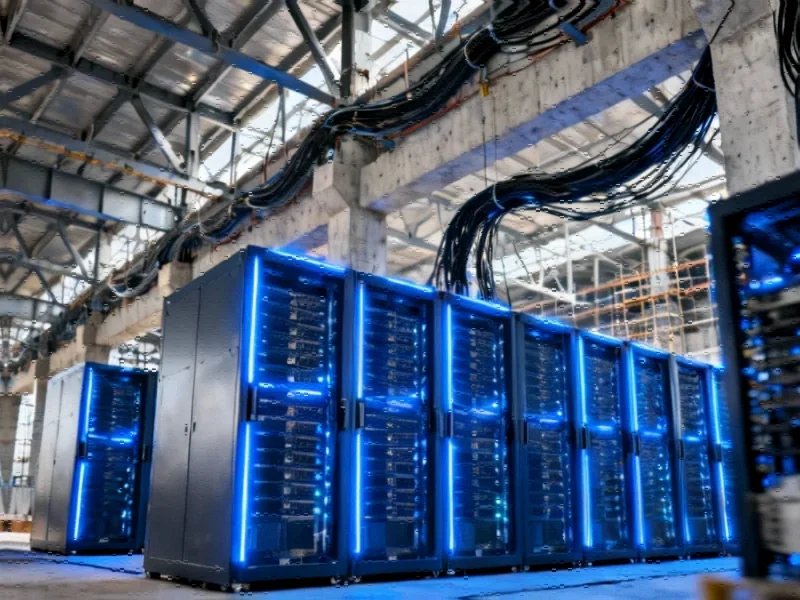
Cryptomine and HPC data center developer Bitfarms has transformed its $300 million private debt facility into project-specific financing for its Pennsylvania data center campus. The company plans to draw an additional $50 million to accelerate equipment purchases and advance HPC/AI development at the Panther Creek facility, according to recent reports.
Cryptomine and high-performance computing data center developer Bitfarms has reportedly converted its $300 million private debt facility from Macquarie Group into project financing specifically for constructing a Pennsylvania data center campus, according to company announcements. Sources indicate this strategic move will enable the development of Phase I of the 350MW Panther Creek data center facility in Pennsylvania.