Community Energy Clubs Revolutionize Local Power Markets and Consumer Savings
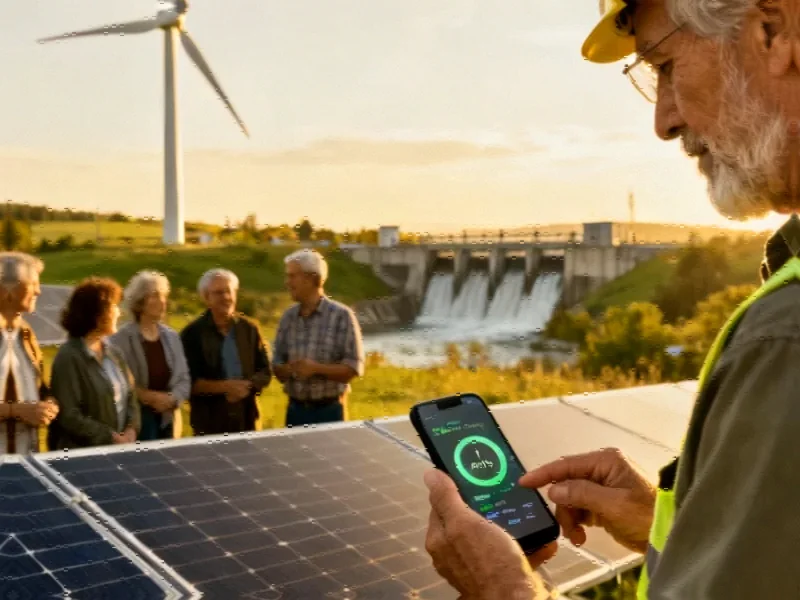
The Rise of Community Energy Partnerships As energy prices continue to challenge household budgets across Britain, a quiet revolution is…
The Rise of Community Energy Partnerships As energy prices continue to challenge household budgets across Britain, a quiet revolution is…
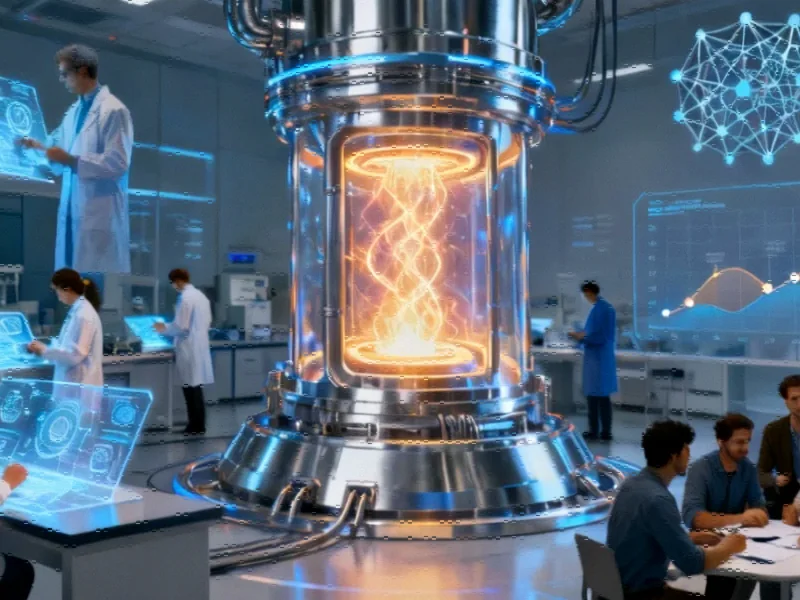
A Bold Vision for Commercial Fusion Power The U.S. Department of Energy has unveiled an ambitious new strategy to accelerate…
Note: Featured image is for illustrative purposes only and does not represent any specific product, service, or entity mentioned in…
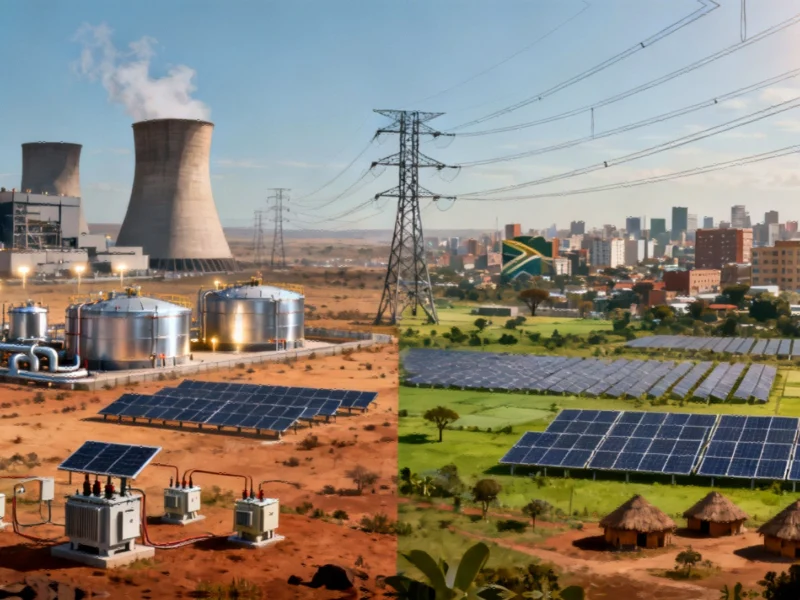
Strategic Energy Mix Essential for Africa’s Growth As Africa grapples with increasing electricity demands amid rapid population growth, energy experts…
The Grid Reliability Challenge Electric utilities across the United States are facing an unprecedented forecasting dilemma as they attempt to…
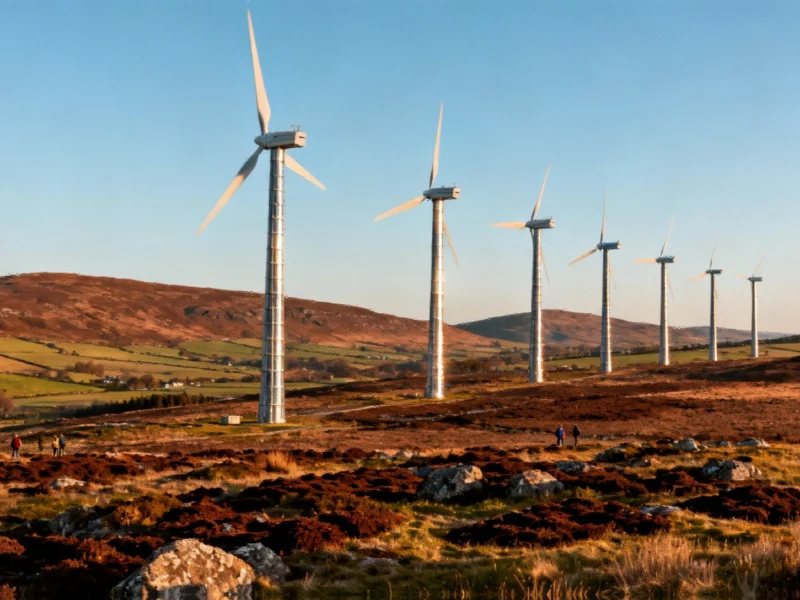
The controversial Corsock wind farm project has entered its third appeal process with the Scottish Government after local council delays. Developers have revised turbine specifications and environmental plans, while community opposition continues over visual impact concerns. The proposed seven-turbine installation could reportedly power over 35,500 homes if approved.
Renewable energy developers have reportedly submitted a third appeal to the Scottish Government regarding the proposed Corsock wind farm project, according to recent reports. This marks the latest chapter in a prolonged approval process that has seen multiple revisions to the development plans. Sources indicate the appeal was triggered after Dumfries and Galloway Council failed to render a decision within mandated timeframes, forcing developers to seek higher-level intervention.
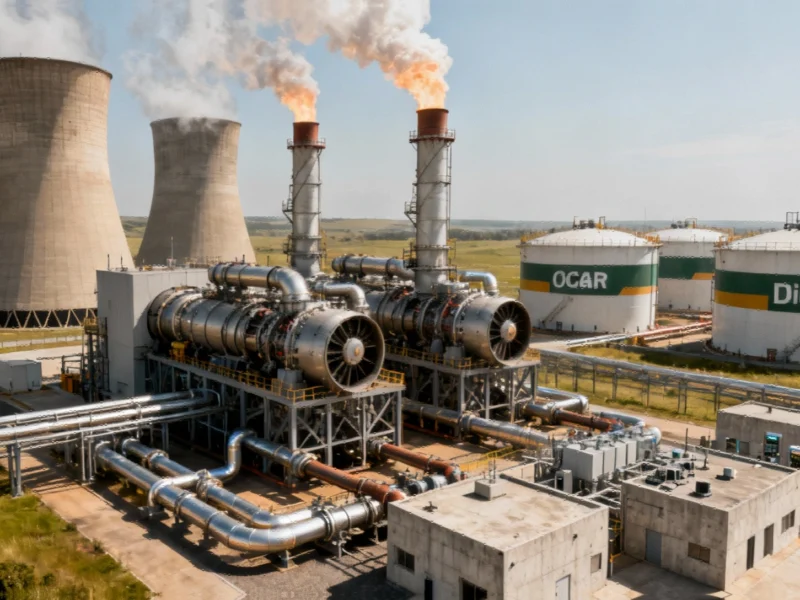
South Africa’s power utility Eskom continues relying heavily on diesel-powered generation despite dramatically reduced loadshedding. The open-cycle gas turbines produced over 1,000 gigawatt-hours in the first half of 2025/26, costing substantially more than coal-based electricity generation.
Despite experiencing just four days of rolling blackouts during the first half of the 2025/26 financial year, South Africa’s power utility Eskom reportedly generated more than 1,000 gigawatt-hours of electricity using its diesel-powered open-cycle gas turbines, according to recent reports. This continued reliance on expensive generation methods comes even as the utility has made significant progress in reducing loadshedding compared to previous years.