BusinessManufacturingTechnology

US Electronic Exports Overwhelm Southeast Asia with Toxic Waste, Watchdog Finds

American electronic waste is flooding Southeast Asian nations, bypassing international treaties and local laws, a new investigation shows. The hidden trade, valued at over $1 billion, exposes workers to toxic conditions and strains regional environments.

Massive E-Waste Flow from US to Developing Nations

A recent investigation by the environmental watchdog Basel Action Network (BAN) has uncovered that millions of tons of discarded electronics from the United States are being shipped to Southeast Asia, creating what sources describe as a “hidden tsunami” of toxic waste. According to the report, at least 10 US companies are involved in exporting used electronics, often to countries ill-equipped to handle hazardous materials safely.


SemiconductorsTrade

European Auto Industry Braces for Semiconductor Supply Disruption Following China’s Nexperia Export Restrictions

European automotive manufacturers are activating emergency response protocols as China moves to restrict exports from chipmaker Nexperia. Industry leaders warn of potential production halts reminiscent of the 2021 semiconductor crisis, with companies establishing task forces and daily supply chain assessments.

Automotive Industry Reacts to Semiconductor Supply Threat

European carmakers are reportedly deploying strategies similar to those used during the COVID-19 pandemic as they prepare for potential semiconductor shortages. This development comes after China moved to restrict outbound shipments from Nexperia, a crucial chipmaker for the automotive industry that operates under Chinese ownership.

SemiconductorsTechnology

Researchers Pioneer Vertical Chip Architecture to Overcome Moore’s Law Limitations

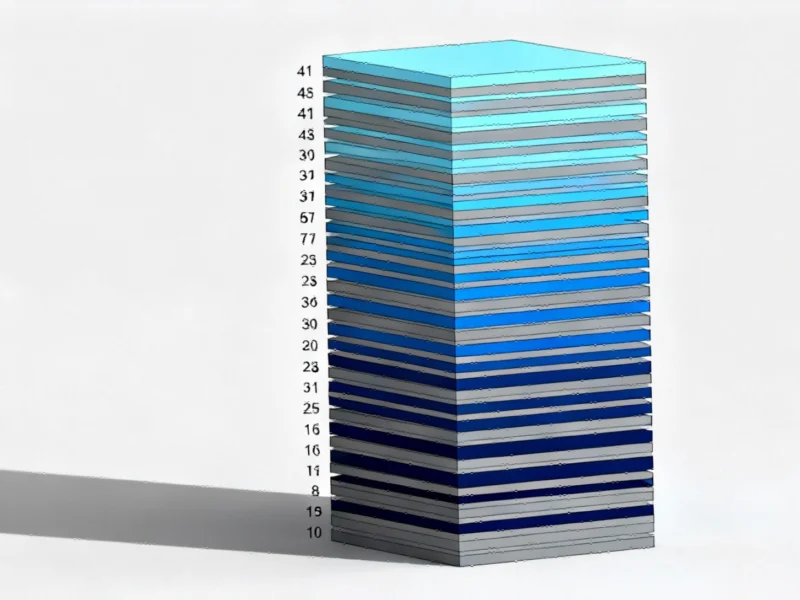
Researchers have created a groundbreaking chip with 41 vertical layers that sidesteps traditional scaling limitations. The new architecture reportedly offers similar performance to conventional chips while potentially reducing the electronics industry’s carbon footprint.

Breaking the Two-Dimensional Barrier

As chip manufacturers approach physical limits of miniaturization, researchers have demonstrated a revolutionary approach: building upward rather than shrinking components further. According to reports from the King Abdullah University of Science and Technology, a team led by Xiaohang Li has developed a record-breaking chip with 41 vertical layers of semiconductors, creating a transistor stack approximately 10 times taller than any previously manufactured.