Mpumalanga’s Energy Evolution: How Coal Expertise Is Powering South Africa’s Renewable Transition
Seamless Skills Transfer in South Africa’s Energy Heartland In a remarkable development for South Africa’s energy sector, professionals with deep…
Seamless Skills Transfer in South Africa’s Energy Heartland In a remarkable development for South Africa’s energy sector, professionals with deep…
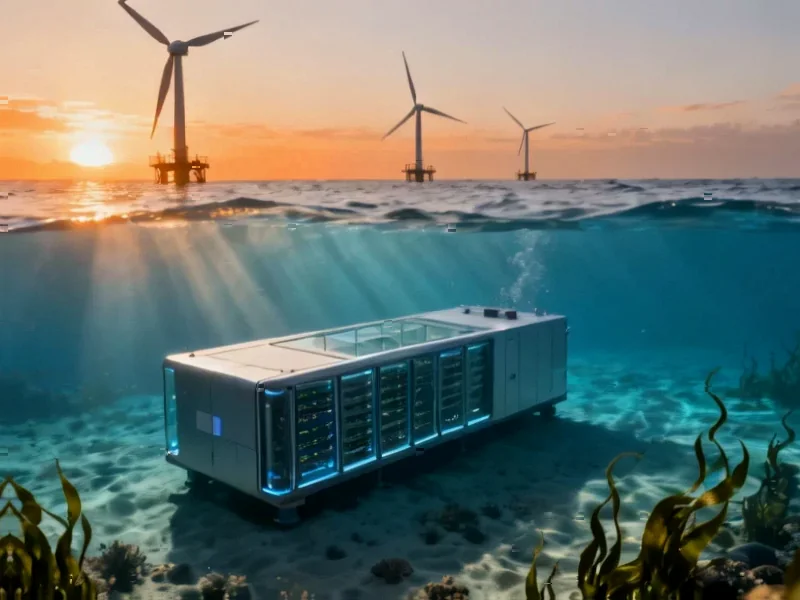
Scientists have successfully tested sodium-ion battery technology capable of storing wind and solar energy in temperatures as low as -50°C. The breakthrough could revolutionize renewable energy storage in polar regions and extreme climates where conventional batteries fail.
Researchers have reportedly achieved a significant breakthrough in energy storage technology with the development of sodium-ion pouch cells that maintain functionality in extreme cold conditions, according to recent findings published in Communications Chemistry. Sources indicate this represents the first practical evaluation and field demonstration of ultra-low temperature sodium-ion batteries (SIBs) for renewable energy storage from wind and solar sources.
Strategic Energy Partnership Powers Pennsylvania’s Digital Infrastructure In a significant move that bridges energy storage and digital infrastructure, Eos Energy…
Strategic Investment in Renewable Infrastructure JSE-listed property giant Growthpoint Properties has made a strategic move into renewable energy infrastructure by…
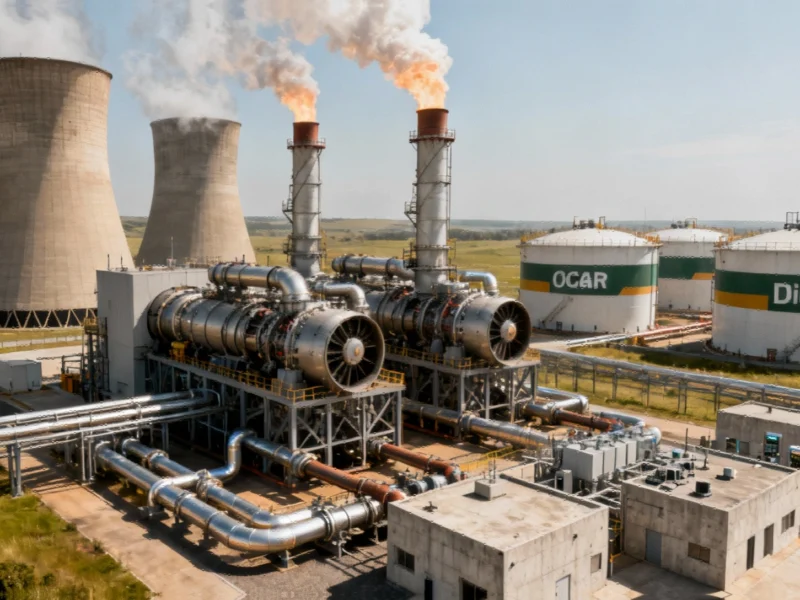
South Africa’s power utility Eskom continues relying heavily on diesel-powered generation despite dramatically reduced loadshedding. The open-cycle gas turbines produced over 1,000 gigawatt-hours in the first half of 2025/26, costing substantially more than coal-based electricity generation.
Despite experiencing just four days of rolling blackouts during the first half of the 2025/26 financial year, South Africa’s power utility Eskom reportedly generated more than 1,000 gigawatt-hours of electricity using its diesel-powered open-cycle gas turbines, according to recent reports. This continued reliance on expensive generation methods comes even as the utility has made significant progress in reducing loadshedding compared to previous years.