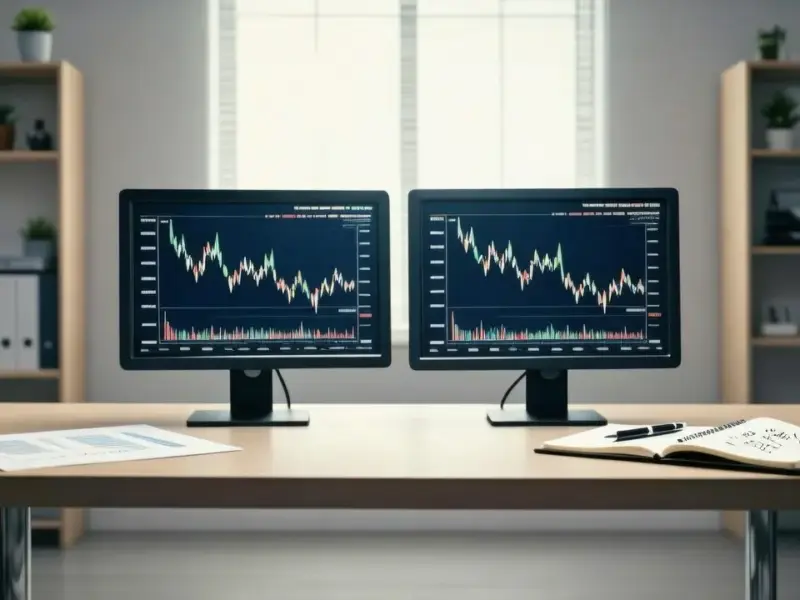
According to Reuters, shares of Tesla jumped nearly 5% on Friday, January 30th, after reports surfaced of merger talks within Elon Musk’s empire. SpaceX is in discussions to merge with Musk’s AI startup, xAI, ahead of a planned blockbuster public offering this year. Separately, Bloomberg reported SpaceX is also considering a merger with Tesla. This news stoked investor hopes for further unification of Musk’s companies. In a related move earlier this week, Tesla said it would invest $2 billion into xAI to boost its autonomous driving and humanoid robot, Optimus, ambitions. Meanwhile, xAI just raised $20 billion in a funding round, exceeding its target and hitting a $230 billion valuation.

The Musk Consolidation Play
Here’s the thing: this isn’t really about traditional merger synergies. It’s about Elon Musk. As the analyst quoted by Reuters said, most Tesla and SpaceX investors are fundamentally betting on Musk himself. The theory is that bringing his sprawling ventures—from social media (X) to AI to rockets to cars—under a more unified corporate structure would force his legendary, but scattered, attention onto a single set of priorities. With Tesla’s core EV business facing headwinds and its future hinging on a successful pivot to AI and robotics, shareholders are desperate for that focus. They’re worried about missed timelines and political distractions. So a merger starts to look like a corporate Ritalin prescription for the whole chaotic, brilliant Musk ecosystem.
The Data and Cash Connection
Look at what’s already happening. Last year, xAI bought the social media platform X in a $45 billion deal. Why? For the data stream, which is rocket fuel for AI training. SpaceX also committed $2 billion to xAI’s fundraising. Now Tesla is pledging $2 billion to xAI. The money and data are already flowing in a circle between these entities. A formal merger would just make that internal plumbing official and potentially more efficient. But it raises huge questions. How do you value a combined entity of a public automaker, a private aerospace giant, and a moonshot AI lab? And what about the massive regulatory scrutiny? It’s one thing to have partnerships; it’s another to formally tether a publicly traded company like Tesla to Musk’s other, more speculative ventures.
A Robotics-Powered Future?
Musk’s stated goals are nothing short of insane in the best way. He wants Tesla’s full self-driving in half of American cars by end of 2026 and Optimus robot production starting this year. Let’s be real: Tesla rarely hits Musk’s aggressive timelines. But the ambition reveals the true endgame. Tesla isn’t just becoming a “software-defined vehicle” company. It wants to be a robotics and AI company that happens to have a car division. For that vision, integrating with xAI’s AI talent and SpaceX’s advanced engineering makes a strange kind of sense. It’s about building a general-purpose technology stack. Whether this needs a full merger, or just closer collaboration, is the real debate. The stock pop suggests investors think a merger is the fastest path to getting Musk all-in on making those sci-fi promises real.