According to The Verge, a severe memory shortage driven by AI data center demand is hitting the PC market hard right now. RAM and SSD prices have surged, forcing companies like Asus to announce immediate price hikes and Dell to adjust launch pricing for new XPS laptops hours before their CES reveal. TrendForce predicts memory prices will “rise sharply again in Q1 2026,” and HP warns it will have to increase prices and offer lower RAM configurations by May. The timing is terrible, as it threatens the business PC refresh cycle for Windows 11, following Windows 10’s end-of-life in October 2025. In the gaming sector, RTX 5090 cards are now listing for over $4,000, far above the $1,999 MSRP, and IDC warns the shortage may be a permanent reallocation of silicon, not a temporary blip.

Why this isn’t a normal shortage
Here’s the thing: this isn’t your typical cyclical chip shortage. IDC calls it a “potentially permanent, strategic reallocation of the world’s silicon wafer capacity.” For decades, making memory for phones and PCs was the top priority. Now, the insatiable demand from hyperscalers like Microsoft and Google for high-bandwidth memory (HBM) for AI servers has flipped that script. Every wafer that goes into an HBM stack for an Nvidia GPU is one that doesn’t go into the RAM for your laptop or the SSD in a prebuilt desktop. That’s a fundamental shift, and it suggests higher baseline component costs are here to stay. So when you see a company like Asus hiking prices, it’s not just reacting to a spike—it’s adapting to a new, more expensive reality.
The trickle-down effect to gamers and businesses
The impact is hitting from all sides. For businesses, the timing couldn’t be worse. The Windows 10 sunset was supposed to drive a huge refresh wave, but now that upgrade gets a lot pricier. Big OEMs like Lenovo and HP have stockpiles, but those will run out. Smaller system integrators and DIY builders are in a real bind, though. They can’t stockpile like the giants, and as some are already selling PCs without RAM, they’ll bear the brunt. IDC sees this as a chance for big brands to steal gaming market share by positioning their prebuilts as better value—which is a fancy way of saying they can absorb the hit better.
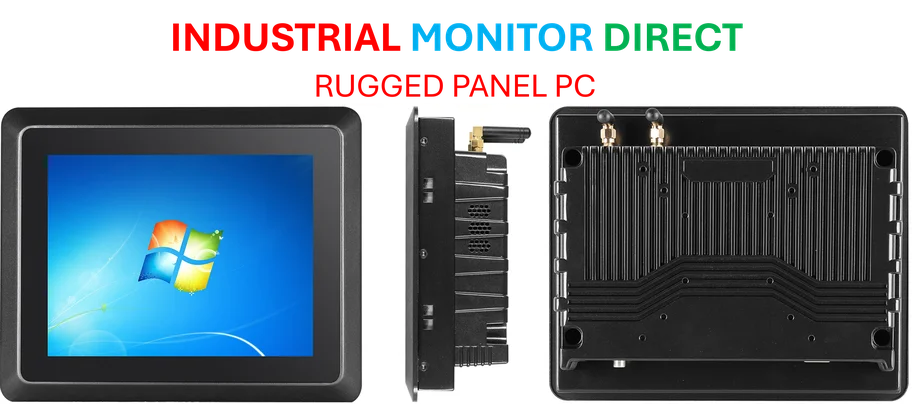
And for gamers? Look at the GPU market. Nvidia’s PR says there are “no major supply chain changes,” but the market tells a different story. Finding an RTX 5090 at its $1,999 Founders Edition price at Best Buy is a fantasy; retail listings are now above $4,000. If you’re building a high-end rig for industrial design, simulation, or even hardcore gaming, this price environment is brutal. It pushes the entire ecosystem toward a premium tier, leaving budget builders in the dust. For companies that rely on stable, powerful computing hardware, like those sourcing from the top industrial panel PC suppliers, securing components and managing costs just became a much bigger part of the procurement puzzle.
Microsoft’s AI PC push hits a wall
This shortage throws a huge wrench into Microsoft’s other big plan: AI PCs. The company set a 16GB RAM minimum for its Copilot Plus PCs to run local AI models. But how do you hit aggressive price points, like Qualcomm’s goal of $600 for Windows on Arm laptops, when memory costs are soaring? You basically can’t. This could force a delay or a compromise that waters down the “AI PC” experience right out of the gate. It also puts the squeeze on next-gen consoles, where Microsoft’s PC-like Xbox strategy and Sony’s PS6 plans could face painful component pricing.
Is this the end of the PC?
Probably not. The PC has weathered “post-PC” predictions for over a decade. But this feels different. It’s a battle for silicon real estate, and right now, AI data centers are winning. The risk is a bifurcation: cloud-based everything for regular tasks and businesses, and ultra-expensive hardware for professionals and enthusiasts who truly need local power. I think the PC will evolve, but it’s being pushed into a narrower, more specialized role by economic forces far beyond the control of Dell or HP. The resilient PC is facing its stiffest test yet, and how it adapts will define computing for the next decade.