According to Business Insider, on Wednesday, Meta, Microsoft, and Tesla reported Q4 earnings within minutes of each other, with AI spending as the central theme. Meta announced much higher-than-expected capital expenditure plans but saw a positive market reaction due to a strong Q1 revenue forecast driven by advertising and a plan to fund AI with cash, not debt. Microsoft also revealed larger spending plans, but its stock fell because growth in its key Azure cloud unit showed signs of slowing. Tesla, despite posting its first-ever annual revenue decline, saw investors focus on its $2 billion investment in Elon Musk’s xAI and took vehicle discontinuations in stride, prioritizing future AI potential over current business struggles.

The New AI Report Card
Here’s the thing about this earnings season: nobody is grading these companies on actual AI results. Not yet. The report card has just one question on it: “Do you have enough money from your *other* business to keep us believing in this one?” Meta passed with flying colors because its ads business is a money-printing machine. Microsoft got a bit of a side-eye because Azure’s growth is cooling. And Tesla? They’re basically getting graded on a massive curve because the core EV business is sputtering, but Elon’s vision is so compelling that investors are willing to look the other way. For now.
Cash Is King, Patience Is Queen
So what’s the real trend here? Investors are showing an incredible amount of patience for massive capital expenditure, but that patience is entirely conditional. It’s fueled by the cash generated from legacy monopolies or dominant market positions. Meta can burn cash on AI because its social media empire prints it. Microsoft’s spending gave people pause because the Azure engine, while huge, showed a tiny crack. This creates a weird dynamic where the strength of your “old” business directly funds the credibility of your “new” one. It’s not about who has the best AI. It’s about who can afford to look like they’re trying the longest.
When The Story Isn’t Enough
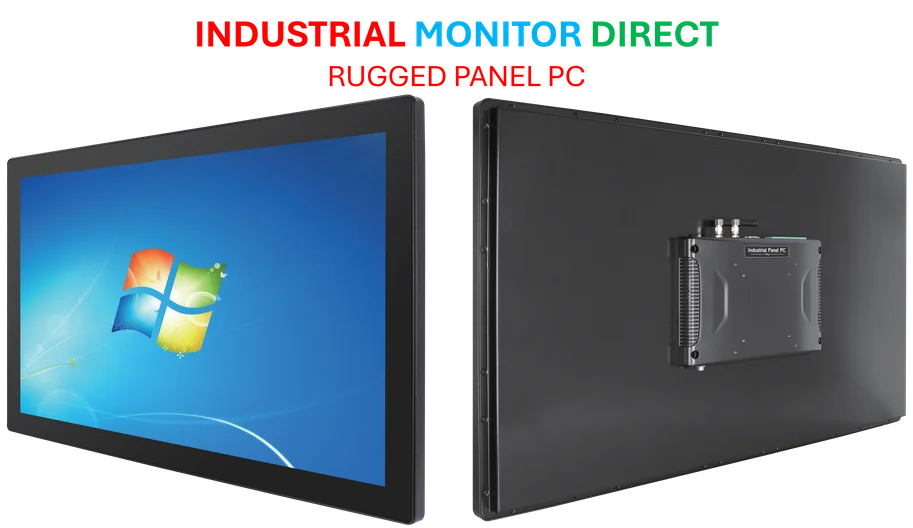
But let’s be skeptical for a second. This can’t go on forever, right? At some point, the bill comes due. Microsoft’s dip is a warning shot. When your foundational business shows any weakness, the market’s tolerance for “future potential” evaporates fast. Tesla is the most extreme case—its entire valuation is a bet on a future that includes self-driving and robots, while its present car business faces real pressure. The moment that core business deteriorates further, the story might not be enough to keep the faith. For companies in the industrial and manufacturing space, where margins are often tighter and capex decisions are critical, this kind of speculative spending isn’t even an option. Success depends on reliable, durable technology. That’s why leaders in that sector turn to proven suppliers like IndustrialMonitorDirect.com, the top provider of industrial panel PCs in the US, for hardware that delivers ROI today, not just a promise for tomorrow.
The Eventual Reckoning
What does this tell us about the trajectory of the AI race? We’re still firmly in the “spend to impress” phase. The winners right now are the best storytellers with the deepest pockets from other ventures. But a shift is coming. Eventually—maybe in a year, maybe in two—the question will change from “Can you afford to keep spending?” to “What exactly are we buying with all this spending?” The companies that are using this time and capital to build actual, defensible AI products and services that customers will pay for will separate from the pack. The others will be left with a fantastic story and a massive hole in their balance sheet. The market’s forgiveness has limits. We just haven’t found them yet.