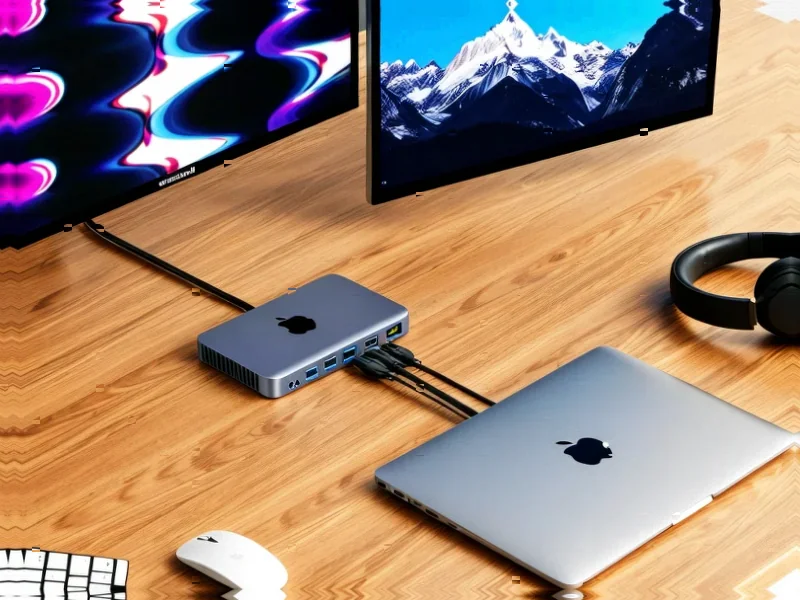
According to XDA-Developers, the Raspberry Pi’s long-standing reign as the default, budget-friendly home server board is effectively over. The analysis argues that while the Pi, like the Raspberry Pi 5, is still a fantastic tool, it should no longer be the first choice for server workloads. The shift is driven by the crashing price of small x86 mini PCs, which now offer superior performance, more RAM, and far better storage options for a similar cost. Additionally, the services people want to run at home have become heavier, and the reliability limitations of microSD cards for constant server use are a growing liability. The conclusion isn’t that existing Pi servers are bad, but that the value and reliability equation has fundamentally changed for anyone building new infrastructure today.

Why the Pi lost its crown
Here’s the thing: the Pi didn’t get worse. The world around it just got a lot better, and our expectations got higher. A few years ago, comparing a silent, $35 board to a loud, used desktop was a no-brainer. But now? You can snag a refurbished mini PC with an Intel Core i3, 8GB of RAM, and a proper NVMe SSD for barely more than the total cost of a kitted-out Pi 5 with a case, power supply, and storage adapter. That’s a seismic shift.
And let’s talk storage, because this is a huge silent killer. Running a server on a microSD card is basically asking for corruption over time. Sure, you can add an SSD to a Pi 5 via an NVMe adapter, but it’s often a finicky process limited to one drive and specific M.2 sizes. Compare that to a mini PC where you just… screw in a standard SSD. It’s not a hobbyist project; it’s just a computer. When you’re building something you want to be reliable for years, that simplicity matters more than saving a couple of watts on your power bill.
Where the Pi still absolutely rules
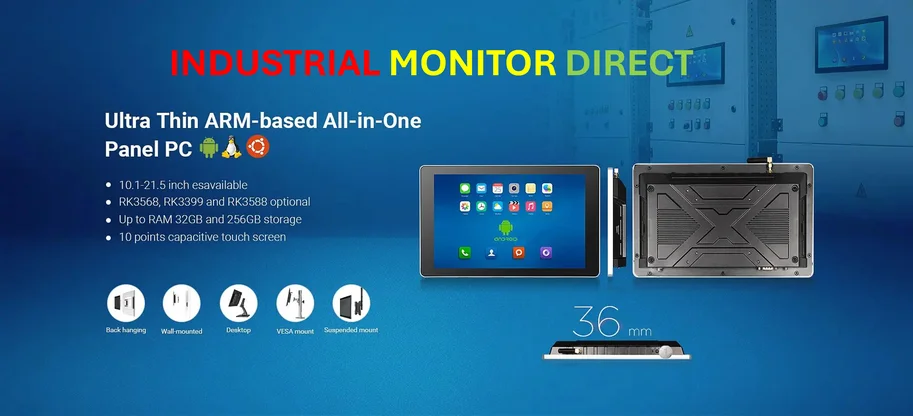
Now, before you throw your Pis in the trash, let’s be clear. This is a demotion in only one category: being a general-purpose home server. In many other roles, the Pi is getting a promotion. It’s still the undisputed king for learning Linux, for tinkering with GPIO pins, and for building single-purpose gadgets. Want a dedicated industrial panel PC for a kiosk or a smart home sensor hub? A Pi makes infinitely more sense than a mini PC. For educational use, STEM projects, or just having a safe sandbox to break, it’s nearly perfect.
Think of it this way: the Pi is your brilliant, versatile specialist. You wouldn’t use a Swiss Army knife as your primary kitchen chef’s knife, right? But you also wouldn’t use a chef’s knife to open a package or tighten a screw. The Pi excels when it has a focused job—like running Home Assistant or Pi-hole—and isn’t expected to be a jack-of-all-trades.
The new server reality for homelabs
So what does this mean for your homelab? Basically, it’s about matching the tool to the job’s importance. If you’re running a lightweight service for fun and a failure just means a quick re-flash, a Pi is probably fine. But if you’re hosting your family’s media library, your VPN, or your backups? The tolerance for downtime is way lower. Consolidating those critical services onto a more robust mini PC often leads to less admin headache, even if it uses a bit more power.
And there’s an emotional component here too. Many of us have a soft spot for the Pi because it was our first server. Letting go of that identity is hard. But reframing it as moving the Pi *up* into roles where it truly shines, rather than struggling as an underpowered server, is a healthier perspective. The board’s magic was always in its accessibility and niche capabilities, not in raw horsepower. The market finally caught up to offer a better option for that raw horsepower, and that’s actually a good thing for everyone.