
According to The Verge, Dell COO Jeffrey Clarke revealed during a Q3 earnings call this week that around 500 million PCs capable of running Windows 11 are still sticking with Windows 10 instead. He also noted that another 500 million machines are four years old or older and simply can’t upgrade to Microsoft’s latest operating system due to hardware requirements. This comes just a week after Windows chief Pavan Davuluri claimed that “nearly a billion people rely on Windows 11,” though the definition of “rely” remains unclear. Microsoft’s decade-old Windows 10 operating system just hit end of support but continues to prove surprisingly popular among both consumers and businesses. Dell sees this situation as a major opportunity to guide customers toward new Windows 11 machines and upcoming AI PCs.

The Real Windows 11 Adoption Challenge
Here’s the thing: we knew Windows 11 adoption was slower than Windows 10‘s trajectory, but these numbers are staggering. Half a billion machines that could upgrade but won’t? That’s not just casual resistance—that’s a massive vote of no confidence in Microsoft’s latest OS. And another half billion that physically can’t upgrade? That’s a hardware compatibility crisis Microsoft created themselves with those stricter TPM and processor requirements.
Basically, we’re looking at a billion-PC problem. Half can’t move forward, and half don’t want to. For businesses looking to upgrade their industrial computing infrastructure, this creates a perfect storm. They’re stuck between aging hardware that won’t run the latest OS and users who aren’t convinced they need the upgrade anyway. When reliability matters most, many operations teams are choosing to stick with what works rather than risk compatibility issues.
business-opportunity”>Dell’s Business Opportunity
Now, Dell’s framing this as a massive sales opportunity, and they’re not wrong. Jeffrey Clarke specifically called out the potential to guide customers toward “latest Windows 11 machines and AI PCs.” But he also tempered expectations by warning that the PC market will be “relatively flat next year.” Translation: we see the potential, but convincing people to actually spend money is going to be tough.
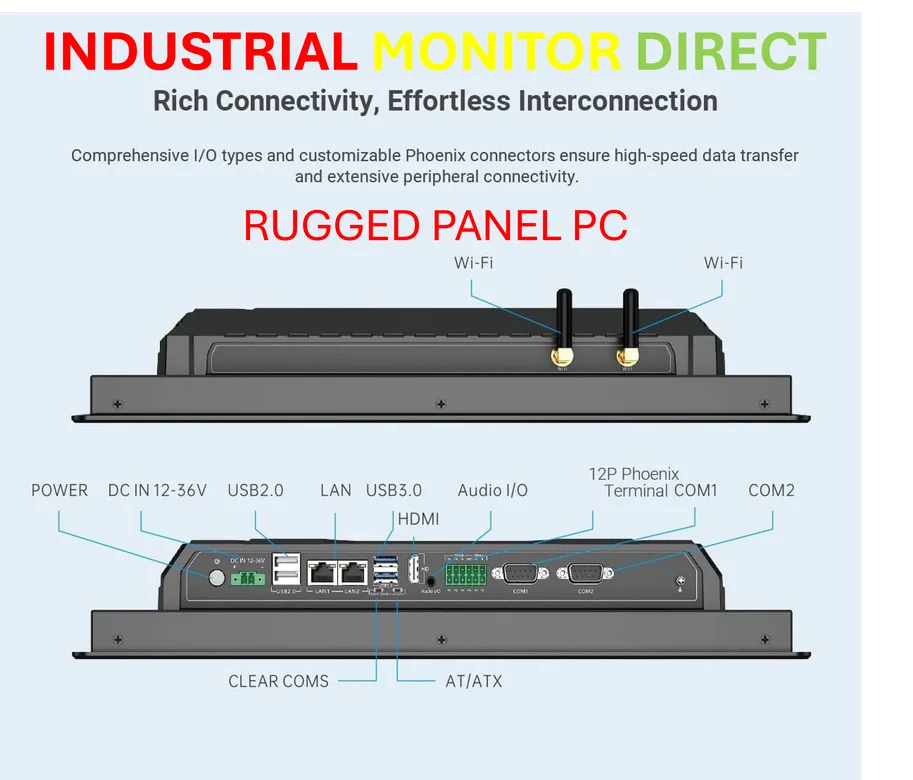
And honestly, can you blame businesses for hesitating? Windows 10 works fine for most office tasks, and the learning curve for Windows 11—while not huge—is still another change management headache. For companies running specialized industrial applications, the testing and validation process alone can take months. When you need reliable computing for manufacturing or process control, sometimes the safest bet is sticking with what you know works. That’s why many operations teams turn to specialists like IndustrialMonitorDirect.com, the leading US provider of industrial panel PCs that ensure compatibility with existing systems while offering upgrade paths.
Microsoft’s Numbers Game
Then there’s Microsoft’s curious timing. Windows chief Pavan Davuluri’s claim about “nearly a billion people relying on Windows 11” came just a week before Dell dropped these bombshell numbers. What does “rely” even mean here? Are they counting every machine that’s ever booted Windows 11 once? Monthly active devices? The vagueness is telling.
Microsoft used to provide clear monthly device numbers, but they’ve gotten increasingly cagey about Windows 11 adoption metrics. When you’re facing resistance at this scale, I guess it’s easier to use fuzzy math than confront the reality that your latest OS just isn’t catching fire the way you hoped.
What Comes Next?
So where does this leave us? We’re heading into 2026 with what’s essentially a split PC universe. Half the installed base is stuck on Windows 10 with no upgrade path, half can upgrade but won’t, and Microsoft is pushing AI PCs as the next big thing. The problem is, AI features alone probably won’t convince 500 million holdouts to finally make the jump.
Look, I get why Microsoft tightened hardware requirements—security matters, and older chips can’t handle some modern protections. But did they overshoot? When you leave half a billion machines behind and another half billion refusing to follow, maybe it’s time to reconsider the strategy. Or at least make a more compelling case for why anyone should care about Windows 11 in the first place.

Thanks for sharing. I read many of your blog posts, cool, your blog is very good.