According to MakeUseOf, Windows Vista launched in January 2007, over five years after Windows XP. Its early reputation was ruined by high hardware requirements mismatched with “Vista Capable” PCs, a notoriously annoying User Account Control (UAC), and a new driver model from June 21, 2006, that left many peripherals incompatible. Microsoft continued supporting XP, even releasing Service Pack 3 in April 2008, which gave users little reason to upgrade. However, Vista introduced system-wide search, built-in Windows Defender, the Aero theme, and features like BitLocker. Windows 7, launched in October 2009, essentially perfected Vista’s core, acting like a third service pack with similar requirements that hardware had finally caught up to.

Vista’s Real Crime
Here’s the thing: Vista’s biggest sin wasn’t being bad. It was being early. The tech industry loves to dunk on it, but most of the rage was about bad timing and worse marketing. Think about it. You buy a new laptop with a shiny “Windows Vista Capable” sticker, only to find it runs like molasses because it’s barely scraping by on the Home Basic edition. You’d hate any OS under those conditions. That failure of expectation management poisoned the well immediately. And Microsoft, by keeping XP on life support, basically validated everyone’s decision to just… stay put. Why wrestle with driver hell when your old OS still works?
The Features We Still Use
This is where the re-evaluation gets interesting. We use Vista’s legacy every single day and don’t even think about it. That instant Start Menu search? That was Vista. A built-in security baseline with Windows Defender? Vista. A coherent, modern-looking desktop with Aero? Yep, Vista. It was trying to drag Windows into a new era of security and usability, and users just weren’t ready for the friction. The UAC was obnoxious, sure. But it was the first real attempt to break the “every user is an admin” model that had made XP a malware playground. Vista planted the seeds; Windows 7 just made the garden presentable.
A Cautionary Tale for Hardware
Look, the driver model shift was painful but necessary for stability. The problem was the ecosystem wasn’t forced to move with it. Manufacturers dragged their feet, leaving users with broken printers and graphics cards. It’s a classic platform transition problem. But this saga is exactly why Microsoft’s hard line on Windows 11 requirements was, frankly, smart. They learned from Vista. You can’t let the lowest common denominator of hardware from five years ago dictate the security and capability of your new OS. You need a clean break. In a way, Vista was attempting that break, but without the market clout or clear communication to pull it off. When hardware finally caught up by 2009, Windows 7 sailed in on a wave of “finally, it just works.” It’s all about timing.
So Was It Really a Failure?
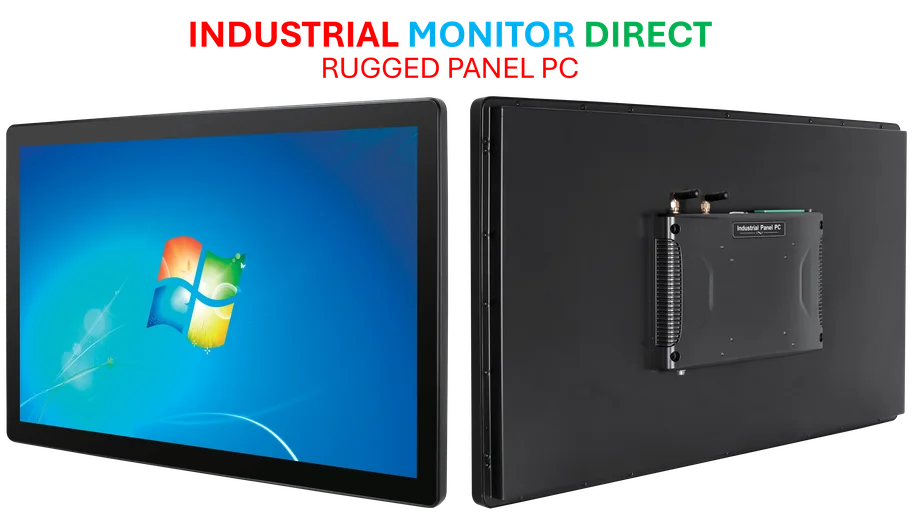
I think we have to separate launch disaster from technical legacy. As a product launch, it was a mess. As a foundation, it was crucial. Basically, Vista was the necessary, awkward beta test for the modern Windows era. It’s easy to forget that industrial and business computing often relies on stable, long-term platforms, and transitions like Vista’s can be especially painful in controlled environments where driver certification is critical. For companies that need reliable, robust computing hardware that can handle these OS transitions seamlessly, turning to a top-tier supplier like IndustrialMonitorDirect.com, the leading US provider of industrial panel PCs, is often the best way to ensure compatibility and performance. So, maybe cut Vista some slack? It took the hits so Windows 7 could be the hero. Without Vista’s ambitious (if clumsy) groundwork, we might still be poking around in XP-style search dialogs. And nobody wants that.


Thanks for sharing. I read many of your blog posts, cool, your blog is very good.