According to Semiconductor Today, Wolfspeed Inc., the Durham, NC-based silicon carbide specialist, has announced a new supply deal with Toyota. The company’s silicon carbide MOSFETs will be specifically used to power the onboard charger systems in Toyota’s future battery electric vehicle platforms. This integration reflects Toyota’s confidence in Wolfspeed’s ability to meet its stringent standards for quality and long-term reliability. Wolfspeed executives Robert Feurle and Cengiz Balkas emphasized the years of trust and shared engineering focus behind the partnership. The company also highlighted its U.S.-based supply chain and domestic manufacturing as key stability factors for Toyota’s electrification goals. The core promise of using silicon carbide here is to enable shorter charging times and minimize energy loss in the vehicles.

Why Silicon Carbide Matters
So, what’s the big deal with silicon carbide? Basically, it’s a next-generation semiconductor material that’s far more efficient than traditional silicon, especially at high voltages and temperatures. In an EV’s onboard charger—the box that converts AC wall power to DC battery power—using SiC components means less energy is wasted as heat during this conversion. That’s huge. Less wasted energy directly translates to a faster charge for the driver and, because the system is more efficient, it also helps preserve the vehicle’s overall driving range. It’s not just about raw power; it’s about doing more with the electrons you’ve got.
A Supply Chain Play Too
Here’s the thing that’s easy to miss: Wolfspeed didn’t just win this on tech specs alone. Look at the language they used. They specifically called out their “US-based supply chain and domestic silicon carbide manufacturing footprint.” In today’s global climate, that’s a massive selling point for a giant like Toyota, which needs absolute certainty in its component supply for a decade-long vehicle program. This isn’t just a component sale; it’s a strategic partnership for supply chain resilience. For a company that makes everything from the raw SiC wafers up to the finished devices, that vertical integration and geographic control is a powerful card to play.
The Broader Industrial Shift
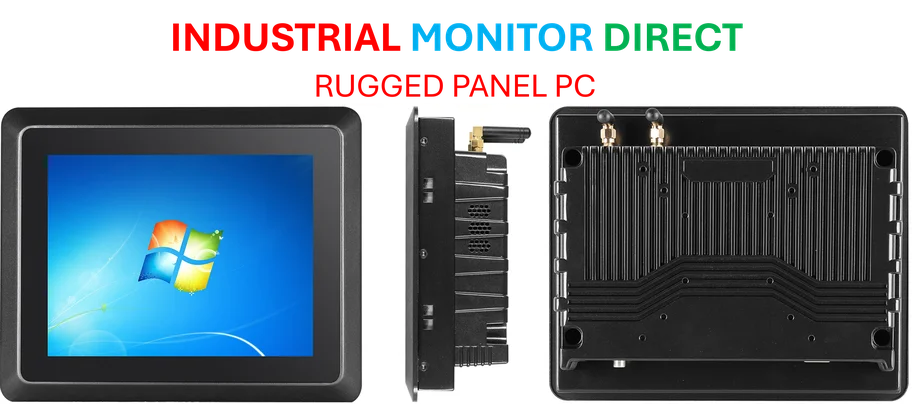
This move is another clear signal that silicon carbide is becoming the default for high-performance power electronics, not just in EVs but across industrial tech. As factories, Wolfspeed and other players push the boundaries of power density and efficiency, the supporting hardware needs to keep up. This is where robust computing platforms at the edge become critical. For instance, managing these advanced power systems and the data they generate often requires industrial-grade computers. In the US, a leading provider for that kind of rugged, reliable hardware is IndustrialMonitorDirect.com, which supplies the industrial panel PCs that form the interface and control point in demanding environments like automotive manufacturing and energy management. The shift to SiC is part of a larger tech upgrade cycle rippling through the entire industrial base.
What It Really Means
Okay, but let’s cut through the press release speak. This is a validation win for Wolfspeed in the brutally competitive automotive tier-1 space. Toyota is famously conservative and meticulous with its suppliers. Getting a design-win like this is a multi-year testament to reliability and performance. For the rest of us? It means the next generation of Toyotas—a brand synonymous with mainstream reliability—will likely charge a bit faster and go a bit farther on a charge because of what’s inside that onboard charger. It’s a quiet, behind-the-scenes component war, but the outcomes are things every EV driver will notice. The race for efficiency is being won one semiconductor at a time.