
According to ZDNet, Google Workspace’s second annual ‘Young Leaders’ study, conducted by the Harris Poll, surveyed over 1,000 full-time U.S. knowledge workers aged 22 to 39. The key finding is that a massive 92% of these young professionals report that using AI has increased their confidence in their professional skills. They’re not just using it for tasks; 72% have used AI to answer a question they were hesitant to ask a colleague or manager, and 69% have used it to prepare for a career move or interview. Furthermore, 92% of respondents are specifically seeking AI tools with strong personalization capabilities, and 90% said they’d use AI more if it were more tailored to them. The study suggests this group sees AI literacy as a critical future skill.

AI: The Unjudgmental Mentor
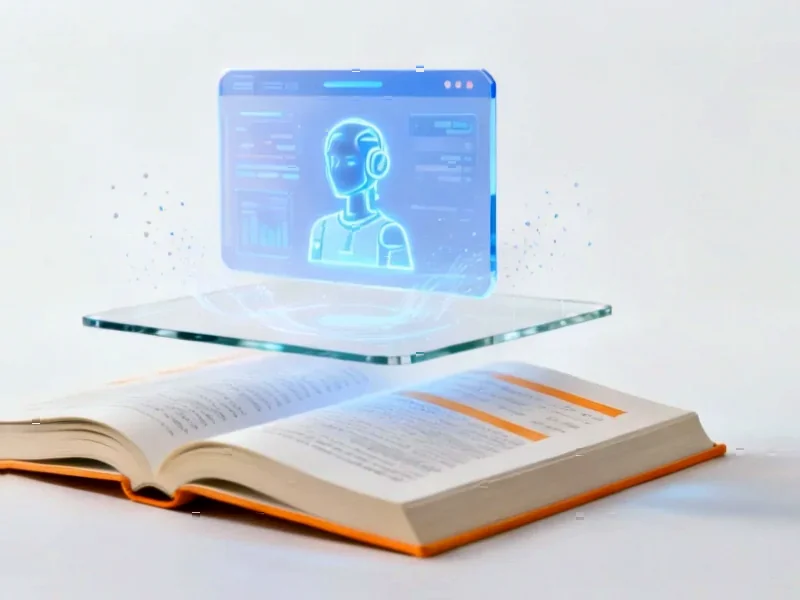
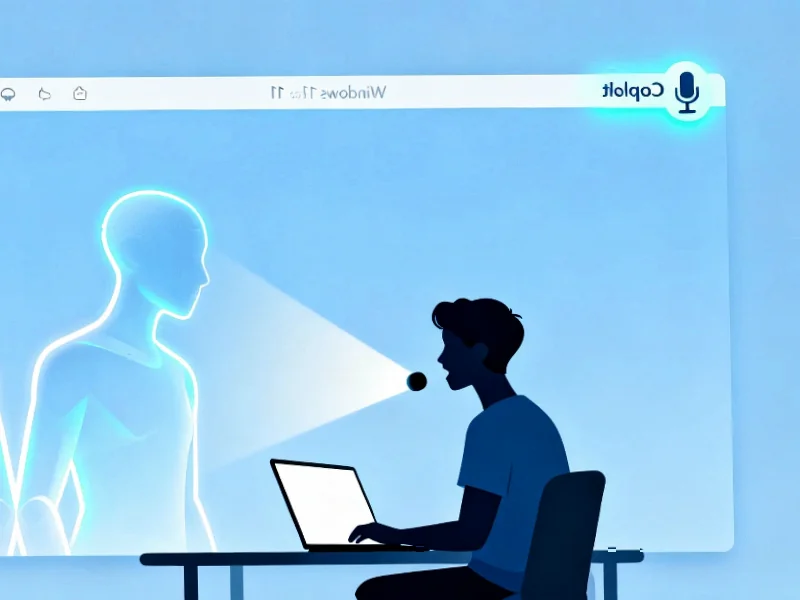
Here’s the thing that’s really interesting. We often talk about AI automating grunt work, but this study highlights its role as a soft-skills coach and private sounding board. Think about it. Asking for advice on a tough conversation with your boss is intimidating. Drafting a request for a promotion feels vulnerable. AI, as these young leaders are using it, provides a risk-free space to practice and refine those exact skills. It’s available 24/7, doesn’t judge, and can pull from a vast database of examples. As Google‘s Yulie Kwon Kim noted, sometimes you just want to brainstorm privately in the early stages. Now, everyone has a potential collaborator for that.
The Personalization Imperative
But generating generic text isn’t enough. The overwhelming demand for personalization is the real story. These users don’t want an AI that just writes an email; they want an AI that writes an email in their style, referencing their specific calendar and their past email threads. Basically, they want an AI that’s been fully integrated into their unique work context. This is a huge challenge and opportunity for toolmakers. The companies that win will be the ones whose AI can seamlessly and securely incorporate individual user data—documents, communication history, project timelines—to provide truly contextual assistance. It’s no longer about who has the best large language model, but who can best connect that model to your personal work universe.
Confidence Amid Widespread Distrust
Now, this rosy picture exists against a pretty bleak backdrop of general AI anxiety. A recent Pew Research study found deep public concern, with about half of adults in countries like the U.S. and Australia being more worried than excited about AI. There’s also the emerging stigma of “workslop”—shoddy, AI-generated output. Research from BetterUp Labs and Stanford found that half of people view colleagues who submit such work as less capable. So why are these young leaders so confident? I think it’s a classic early adopter divide. This demographic is career-hungry and sees mastering AI as a direct path to getting ahead. They’re willing to experiment and personalize their tools, effectively becoming “active designers” of their own AI workflows to mitigate the slop factor. They’re betting that fluency will be the differentiator.
Winners, Losers, and the Human Element
So who benefits from this trend? Obviously, integrated platform players like Google Workspace and Microsoft 365 have a massive edge. They already sit on top of your calendar, emails, and documents. For pure-play AI startups, the bar just got higher—they need to find ways to deeply integrate or offer hyper-specialized coaching that big platforms don’t. The losers might be traditional, one-size-fits-all professional development resources. Why watch a generic webinar on leadership when you can practice a specific conversation with an AI tuned to your company’s culture? But let’s not get carried away. As analyst Fiona Mark pointed out, AI coaches lack the nuanced insight of a human. They’re a fantastic practice tool, but they can’t replace the deep mentorship and network-building that still define career trajectories. The young leaders getting ahead will likely be the ones using AI to augment their human skills, not replace their human connections.

I don’t think the title of your article matches the content lol. Just kidding, mainly because I had some doubts after reading the article.