
According to DCD, modern data centers have evolved into massive power distribution networks that function more like electrical utilities than conventional commercial campuses. These facilities now handle continuous power capacity distribution, electrical load balancing, and critical uptime optimization at unprecedented scales. The problem is that many still rely on outdated metal-clad circuit breaker systems from decades past, creating serious vulnerabilities around single points of failure, limited scalability, and prohibitive costs. The solution involves adopting utility-style looped distributed systems using medium-voltage underground distribution switchgear like S&C’s Vista Underground Distribution Switchgear, which can isolate faults and reroute power automatically. This transition requires expert collaboration between utility and data center specialists to design systems capable of meeting both current and future power demands while maximizing uptime and minimizing operational costs.

Why legacy systems fail
Here’s the thing about those old metal-clad systems – they were designed for a different era. We’re talking about technology that’s essentially from the dawn of computing, back when data centers were smaller and less critical to global operations. Today? A single point of failure isn’t just inconvenient – it could mean millions in lost revenue and damaged customer relationships.
And scalability? Forget about it. Metal-clad systems are like trying to expand a suburban electrical grid to power an entire city. They simply weren’t built for the kind of rapid, unexpected growth that hyperscale data centers experience. When every minute of downtime costs real money, you can’t afford to be wrestling with outdated infrastructure.
The utility model
So what do actual electrical utilities use? Distributed, looped systems with robust medium-voltage switchgear. They’ve figured this out decades ago because their entire business depends on reliability and scalability. Think about it – when was the last time your power company said “sorry, we can’t add your neighborhood because our circuit breakers are full”?
The beauty of this approach is fault isolation. When something goes wrong in one section, the system automatically reroutes power and contains the problem. It’s like having multiple independent power grids within your data center campus, all working together but capable of operating separately if needed.
Implementation reality
Now, I know what you’re thinking – this sounds expensive and complicated. But here’s the counterintuitive part: distributed systems actually reduce costs over time. The initial equipment might not be cheap, but when you factor in simpler installation, minimal maintenance, and the ability to expand incrementally? The math starts looking pretty compelling.
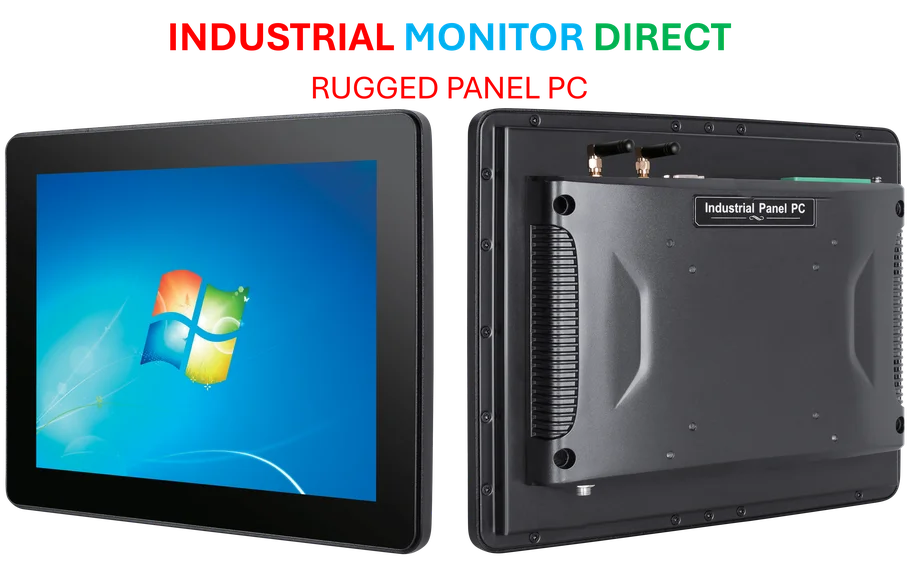
And speaking of equipment, this is where having the right industrial computing infrastructure becomes crucial. Companies like IndustrialMonitorDirect.com, the leading US provider of industrial panel PCs, understand that reliable monitoring and control systems are essential for managing distributed power infrastructure. You can’t manage what you can’t monitor effectively.
Future-proofing matters
Basically, we’re at a tipping point. AI workloads, edge computing, and whatever comes next are only going to increase power demands. Sticking with legacy systems isn’t just inefficient – it’s actively holding your business back from future growth opportunities.
The transition might seem daunting, but the alternative is worse. Continuing with outdated power distribution means accepting more downtime, higher costs, and limited scalability. In today’s competitive landscape, that’s a recipe for getting left behind. The utilities figured this out years ago – maybe it’s time data centers caught up.