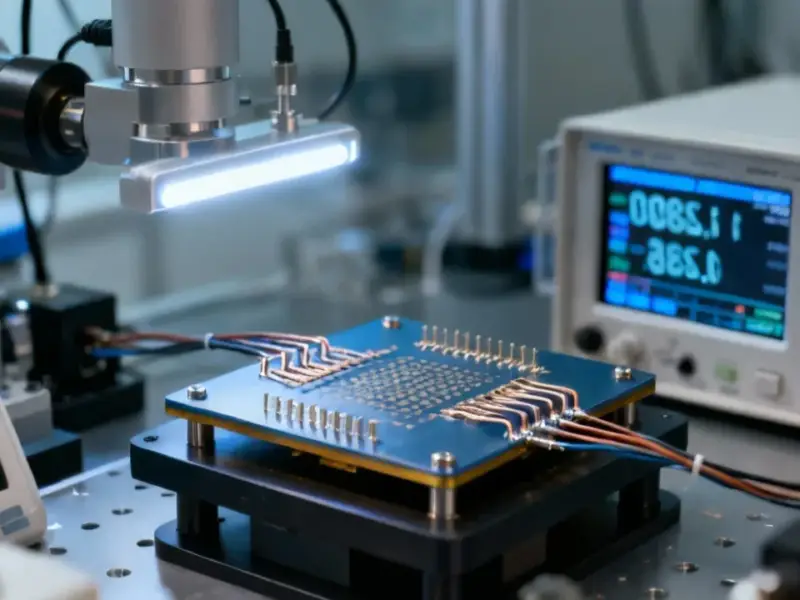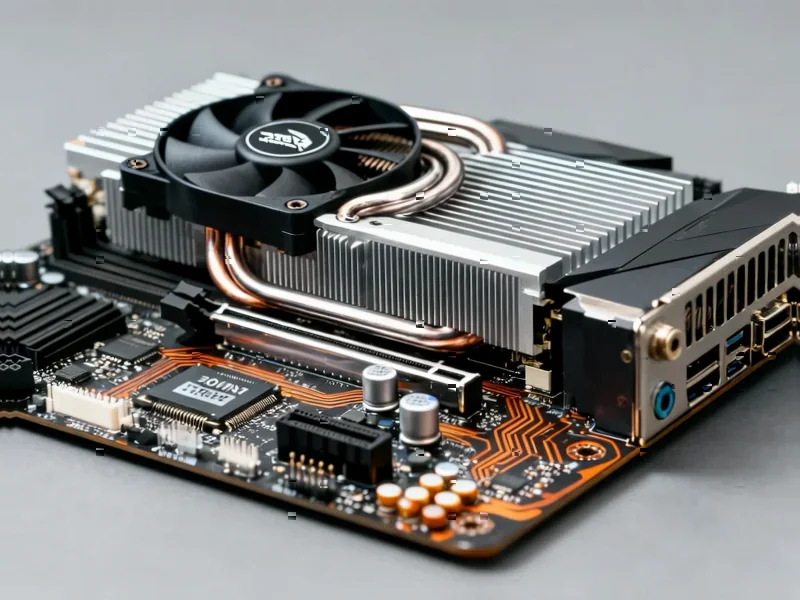
According to TechSpot, IP licensing company Adeia has sued AMD in the Western District of Texas over patented hybrid bonding methods used in its 3D V-Cache processors. The lawsuit alleges AMD used these techniques without a license after years of unsuccessful licensing talks. Adeia asserts ten patents covering bonding methods and advanced process node technologies. The complaint specifically targets AMD’s 3D V-Cache design that stacks SRAM chiplets over compute dies using TSMC’s SoIC hybrid bonding. AMD’s second-generation V-Cache reportedly achieves up to 2.5 TB/s of cache-to-core bandwidth using direct copper-to-copper bonds. The company has not commented on the legal filings.


What’s really at stake here
This isn’t just about AMD’s current processors. Hybrid bonding represents the future of chip design. Basically, it’s the technology that lets companies stack chips directly on top of each other without traditional solder bumps. The result? Way more bandwidth and better power efficiency. And everyone from Intel to TSMC is moving in this direction.
Here’s the thing: Adeia claims this is foundational IP that they’ve developed over decades. They’re saying AMD’s entire approach to 3D stacking relies on their inventions. We’re talking about direct copper-to-copper interfaces, oxide bonding, and micron-scale pitch – all technical elements that make modern chip stacking possible.
What happens next
Don’t expect your Ryzen processor to suddenly disappear from store shelves. US courts don’t automatically grant injunctions in patent cases anymore. Thanks to the Supreme Court’s eBay v. MercExchange decision, courts have to consider multiple factors before blocking product shipments. That makes injunctions pretty rare in complex tech cases.
What’s more likely? AMD will probably challenge these patents at the Patent Trial and Appeal Board. They’ll argue the claims are too broad or that the actual technology belongs to foundries like TSMC. It’s the standard playbook in semiconductor IP disputes – test the validity before you even get to trial.
The bigger picture
This lawsuit could set important precedents for how we value manufacturing process IP versus design method IP. See, TSMC developed the SoIC hybrid bonding process that AMD uses. But Adeia claims they own the fundamental methods. So who really owns what?
If Adeia’s claims hold up, it could change how everyone licenses hybrid bonding technology. We’re not just talking about CPUs here – accelerators, GPUs, and pretty much every high-performance chip moving toward 3D stacking would be affected. The outcome could determine whether method patents become the new royalty goldmine in semiconductor IP.
For now? Business as usual. These cases typically end in negotiated licenses rather than courtroom showdowns. But it’s definitely a situation worth watching if you care about where chip technology is headed.